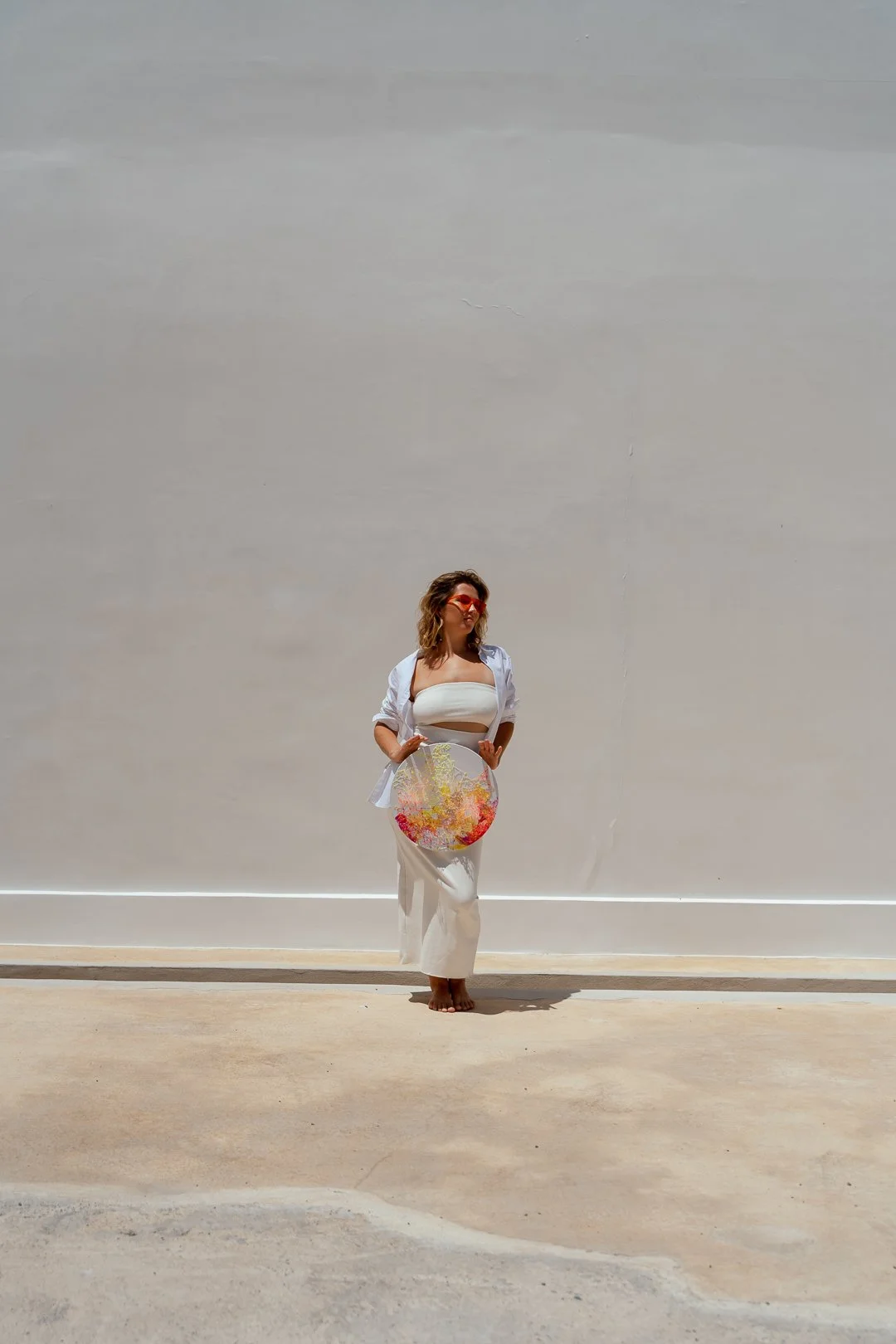
Vasilisa Lipatova (VASA) is Creative Director & Project Lead at V+V ArtLegacy Studio, serving the Los Angeles area. Her signature practice is the SpaceAtlas series: large-scale steel wire atlas sculptures for interior and exterior spaces, created since 2020 for interior, gallery, and public art contexts.
VASA (Vasilisa Lipatova) — Artistic Series and Works
Featured Projects: SPACE ATLAS | EXTERIOR & PUBLIC ART | INTERIOR SCULPTURES | TECHNO-BIO OBJECTS | GABORIKI | MAAASDAAM | MONKEY JUNGLE
SPACE ATLAS
The Cosmos Is Here
The Space Atlas series was born from a simple yet important desire — to remind people of their dreams.
Very often, our most important dreams seem distant, unrealistic, and almost impossible. We postpone them, stop believing in them, or convince ourselves that they could never become part of our reality. The Cosmos is often perceived in the same way — infinitely distant, unreachable, existing somewhere beyond human experience.
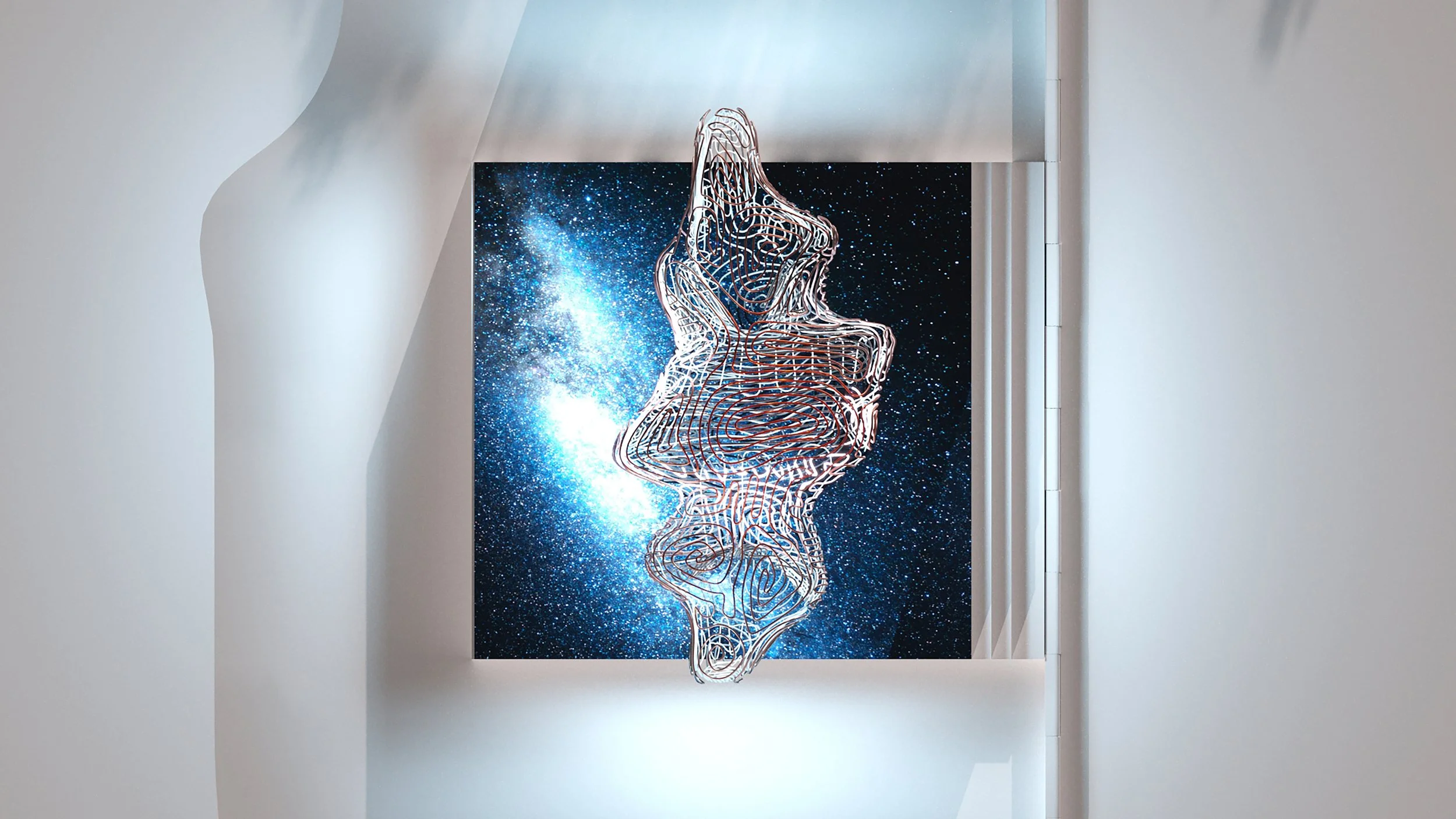
In the Space Atlas series, cosmic forms appear directly beside the viewer. They occupy real space, interact with light, become part of everyday life, and allow people to physically touch what only moments before seemed impossible to reach.
Because the Cosmos is not somewhere far away. It is already here. And dreams work exactly the same way — the distance between a person and their dream is often much smaller than they are willing to believe.
Through clouds, nebulae, and imagined cosmic structures, the series speaks about hope, inner freedom, the courage to dream, and the human ability to transform the impossible into reality.
Works from the series are included in the collections of:
State Tretyakov Gallery — The Cloud, interior sculpture
National Museum of the Republic of Buryatia named after Ts. S. Sampilov — Baikal Dream, outdoor public art sculpture
By Vasa (Vasilisa Lipatova) — V+V ArtLegacy
SPACE ATLAS — EXTERIOR & PUBLIC ART
Engineering & Imagination
The Space Atlas series was born from a simple yet important desire — to remind people of their dreams.
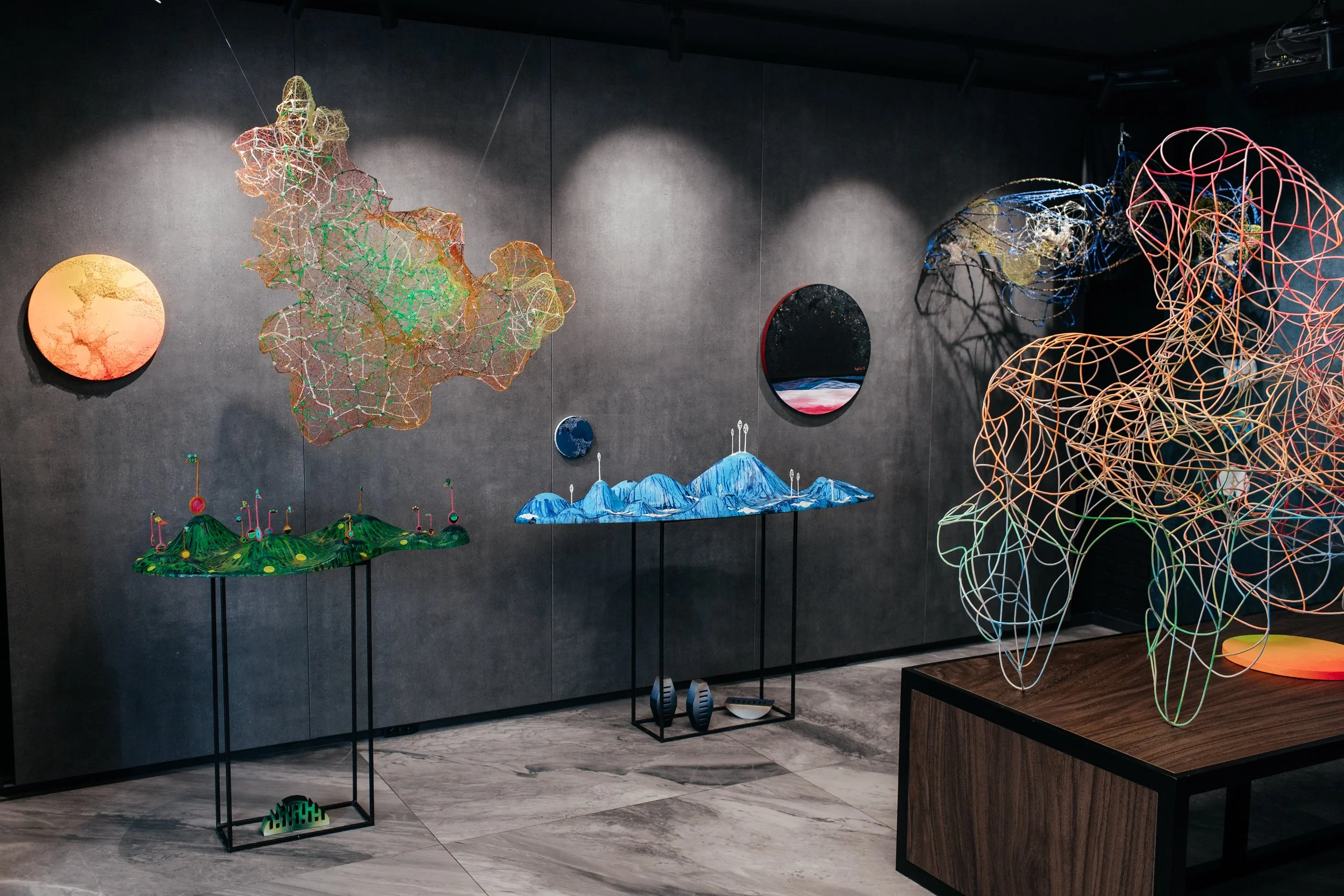
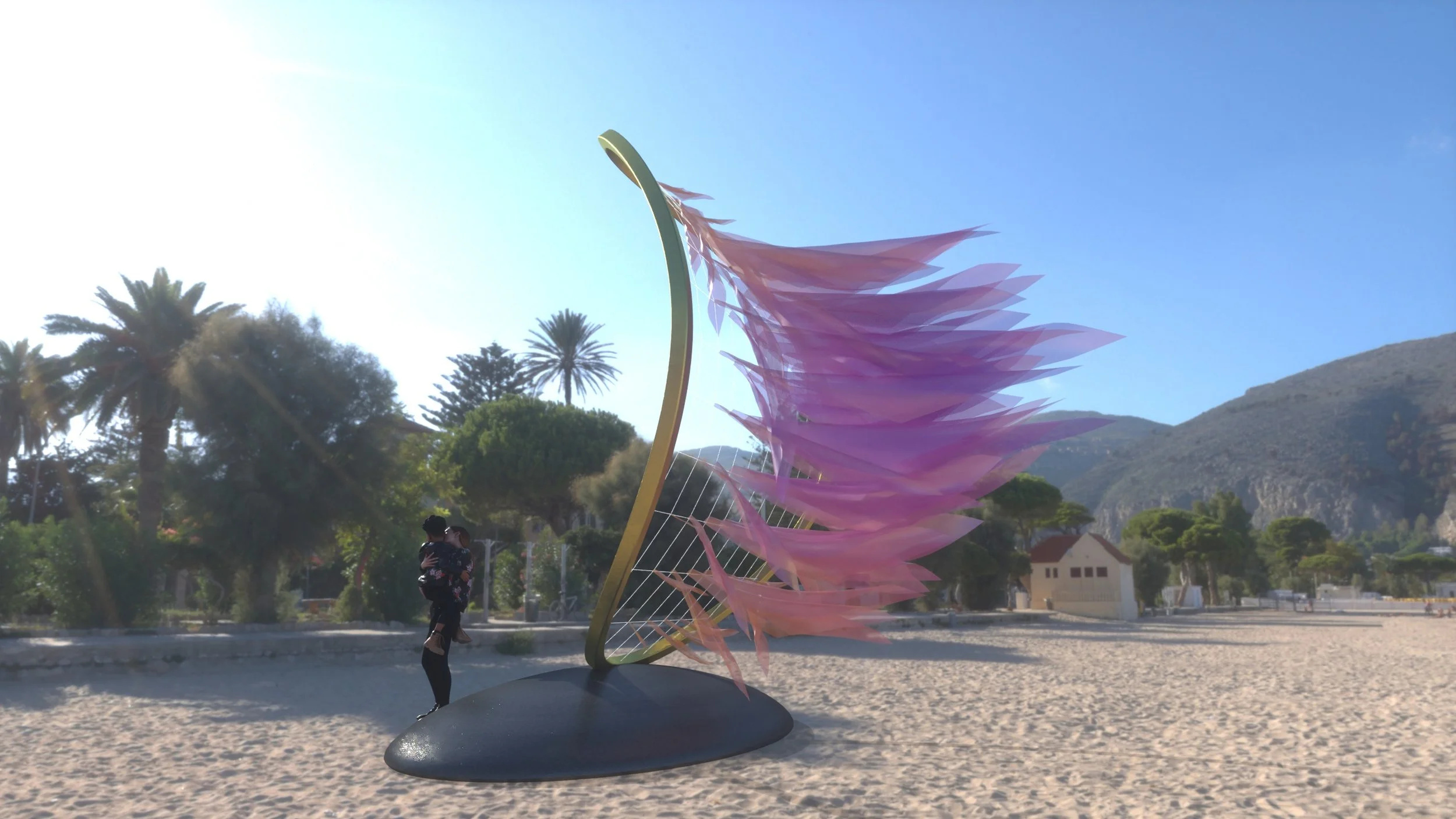
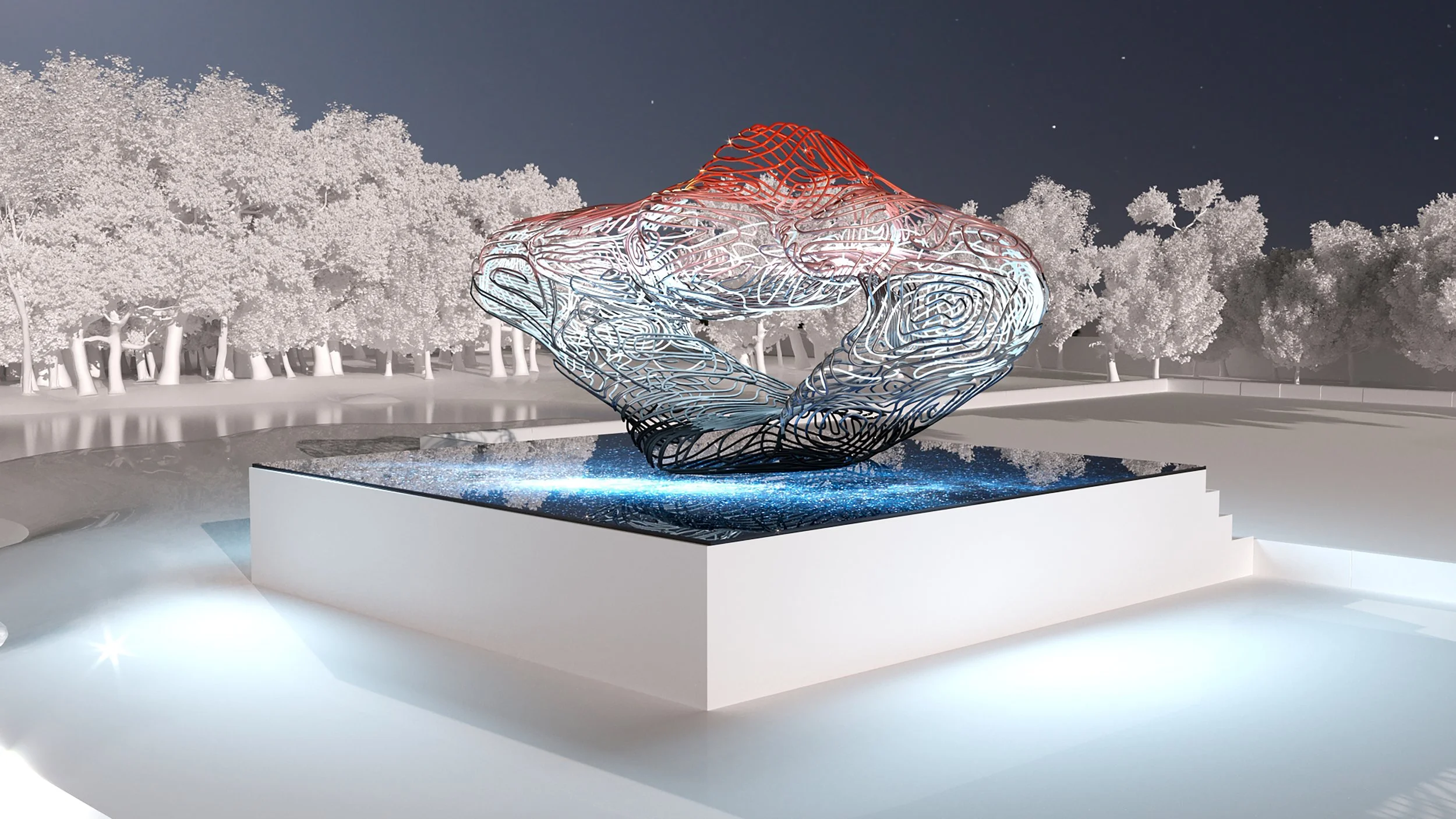
The large-scale public art works of the Space Atlas series represent the intersection of sculpture, engineering, architecture, and contemporary placemaking.
Constructed from steel rods of varying diameters, these sculptures transform line, structure, and empty space into monumental spatial forms that appear simultaneously lightweight and architectural. Rather than occupying space as solid mass, they define it through transparency, rhythm, light, and movement.
Each project requires unique engineering solutions tailored to its specific site, scale, structural loads, fabrication methods, and installation conditions. Every project becomes a collaboration between artists, engineers, fabricators, welders, transportation teams, architects, and public stakeholders.
Many works in the series have been selected through competitive public art programs, municipal commissions, and open-call competitions — developed not only as sculptures, but as placemaking tools designed to strengthen identity, create emotional connection, and establish memorable cultural landmarks within the urban environment.
The Cosmos becomes architecture. Dreams become places. Imagination becomes part of everyday life.
By Vasa (Vasilisa Lipatova) — V+V ArtLegacy
SPACE ATLAS — INTERIOR SCULPTURES
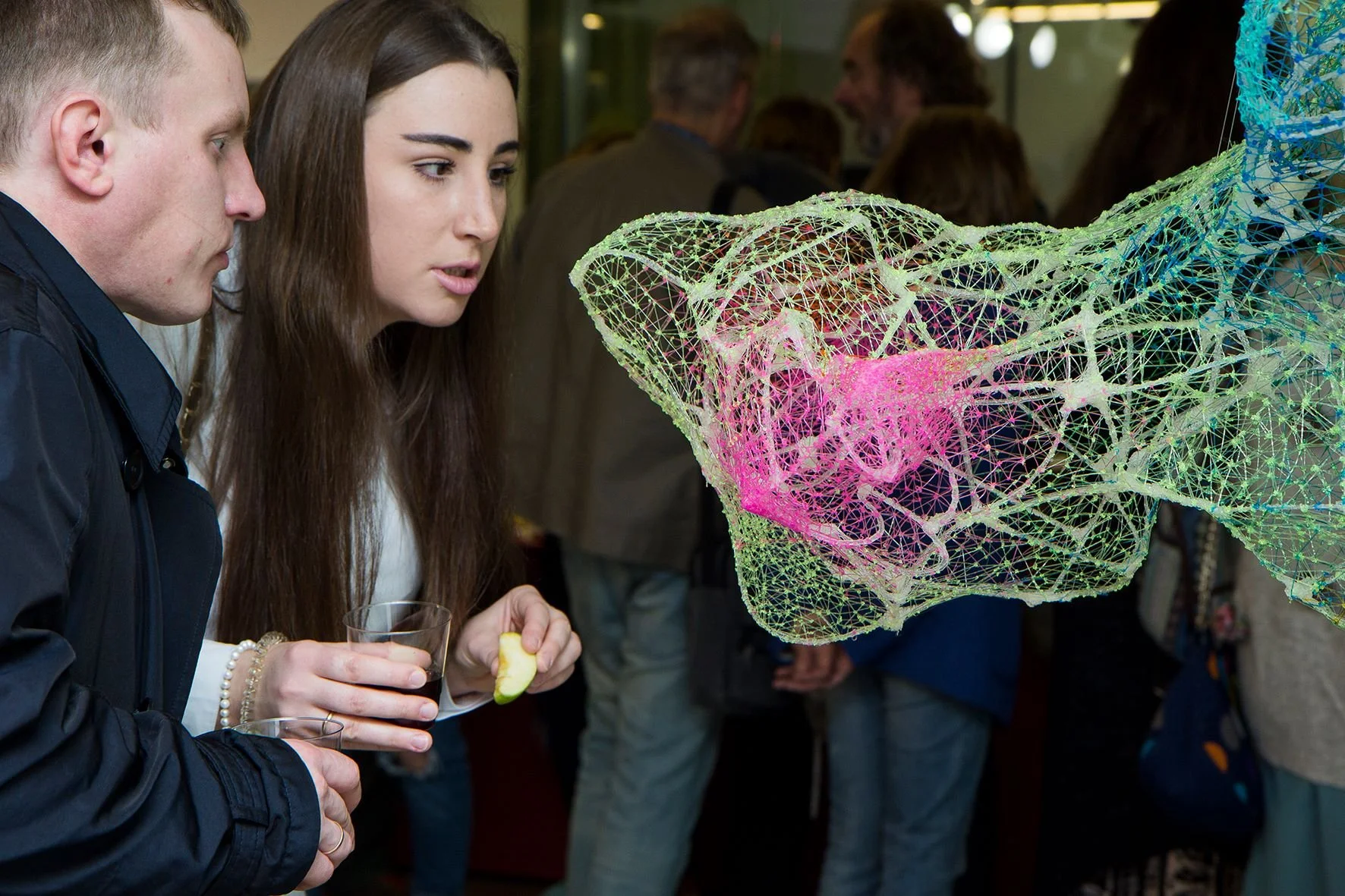
The Cosmos You Can Touch
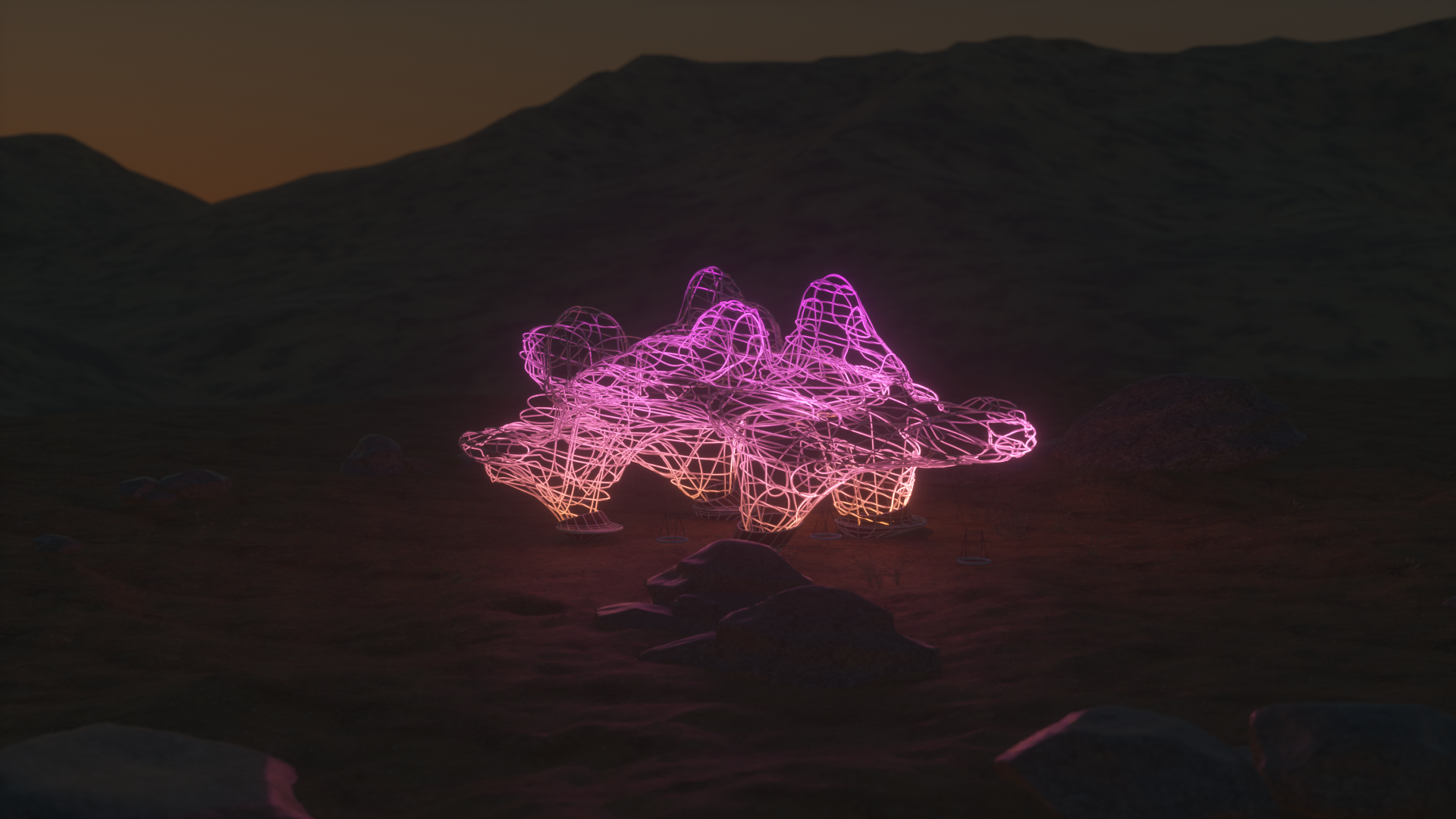
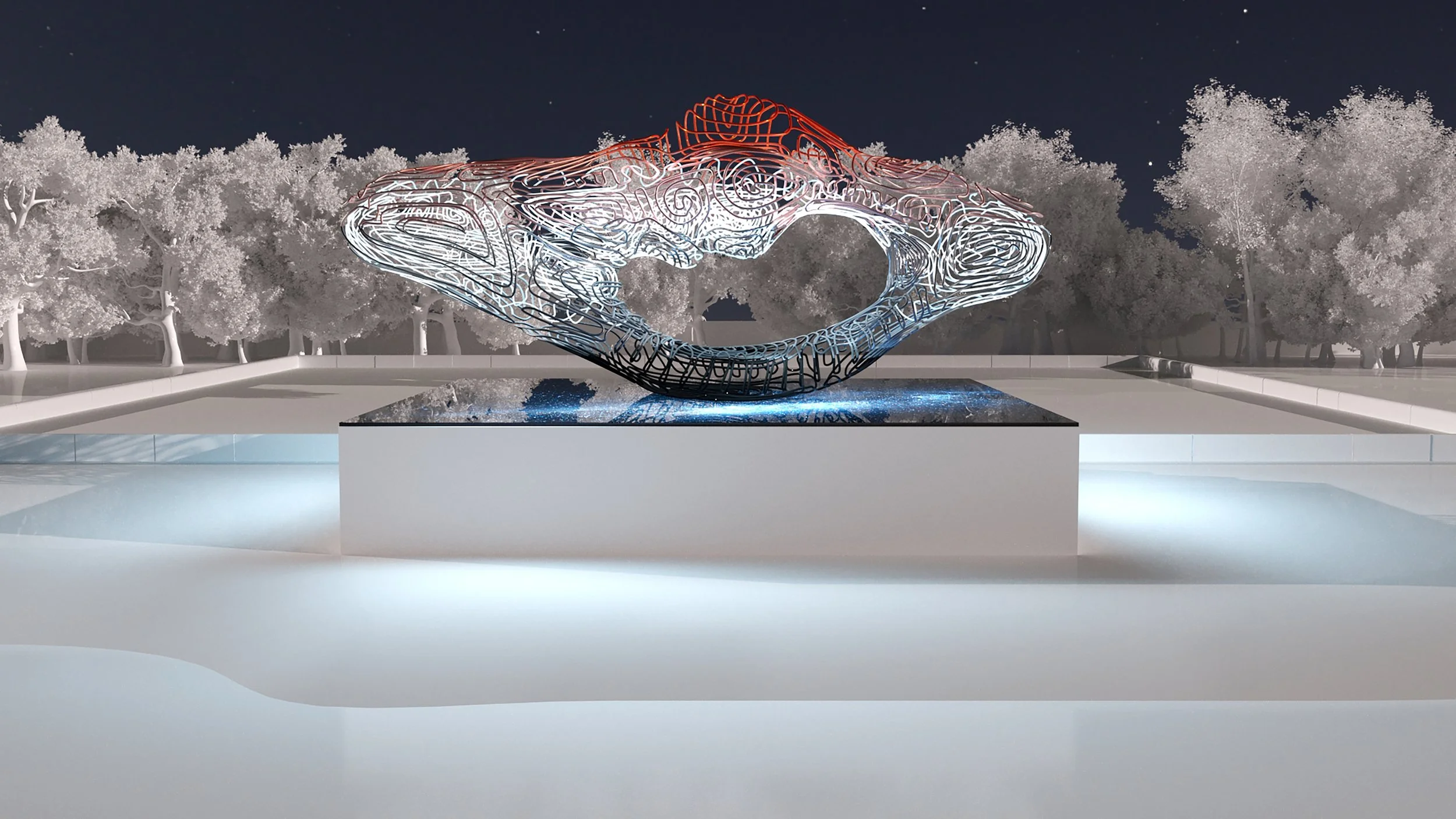
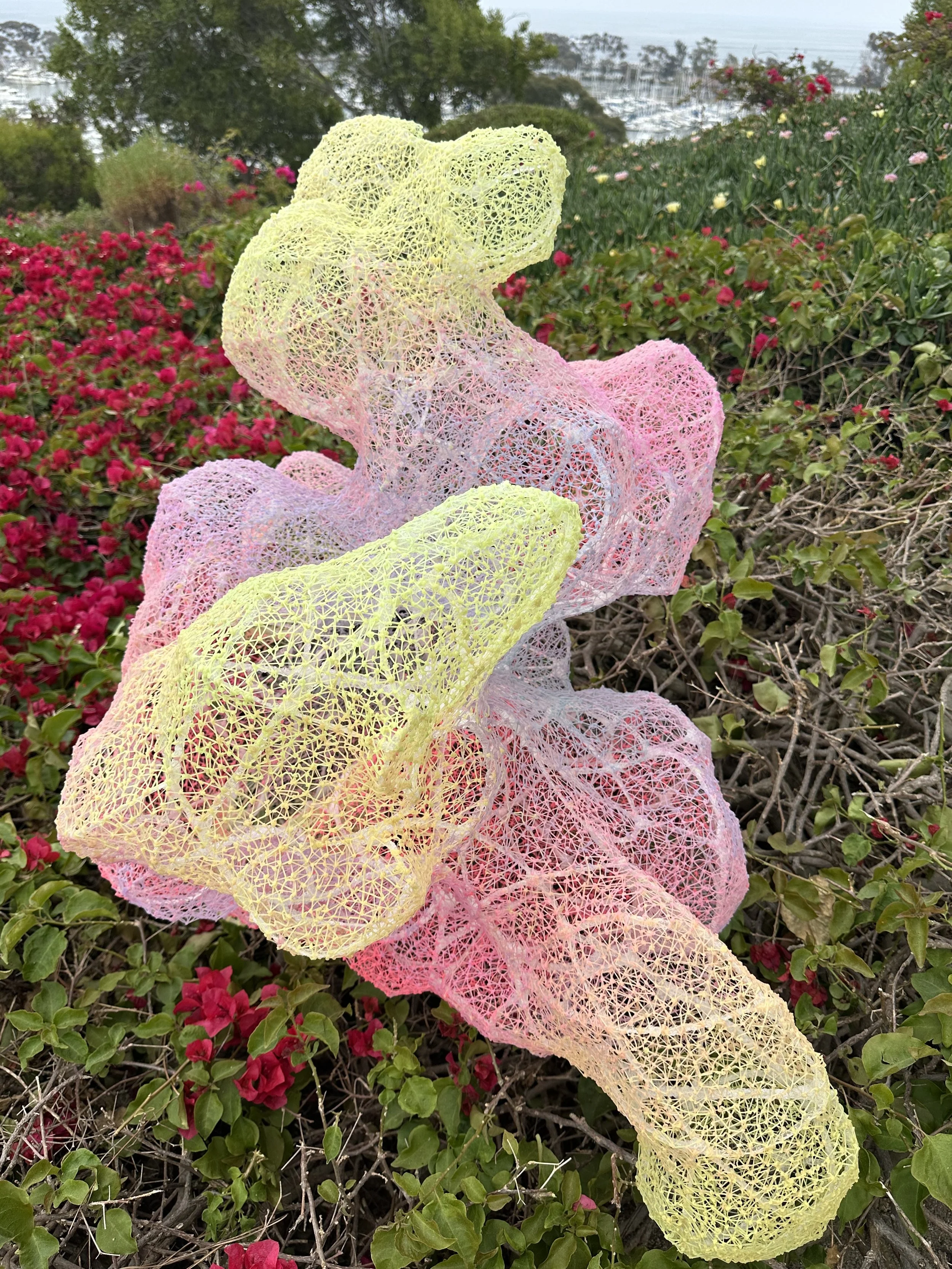
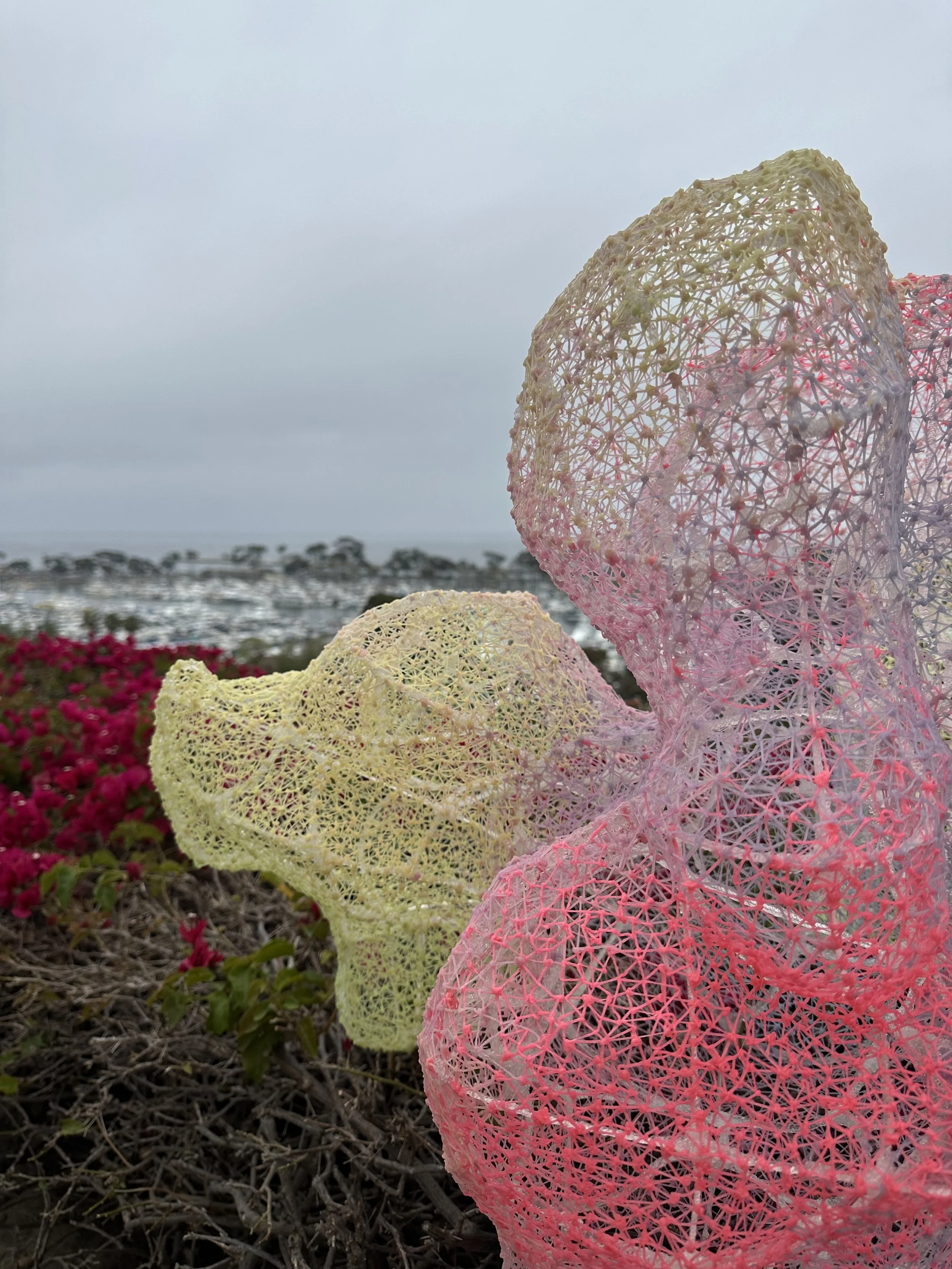
The interior sculptures of the Space Atlas series explore the intersection of dreams, material innovation, and contemporary spatial experience.
Each work is created from a fully recyclable biopolymer filament derived primarily from renewable plant-based resources, including corn. Originally developed as a technological material, it becomes a sculptural medium through the artist's unique hand-built process, transforming industrial innovation into an emotional and poetic object.
Many works incorporate luminescent materials capable of absorbing natural daylight and softly glowing in darkness — creating a second visual life and reinforcing the connection to celestial phenomena.
At the heart of the series: dreams often appear as distant and unattainable as the Cosmos itself. Yet through Space Atlas, the Cosmos becomes tangible, physical, and present. It casts shadows. It responds to light. It can be approached, experienced, and quite literally touched by hand.
The use of recyclable plant-based materials reflects a belief that contemporary art should engage not only with beauty and meaning, but also with the future of the world in which it exists. For Vasilisa Lipatova, technology is not the opposite of poetry. It is one of its newest languages.
By Vasa (Vasilisa Lipatova) — V+V ArtLegacy
TECHNO-BIO OBJECTS
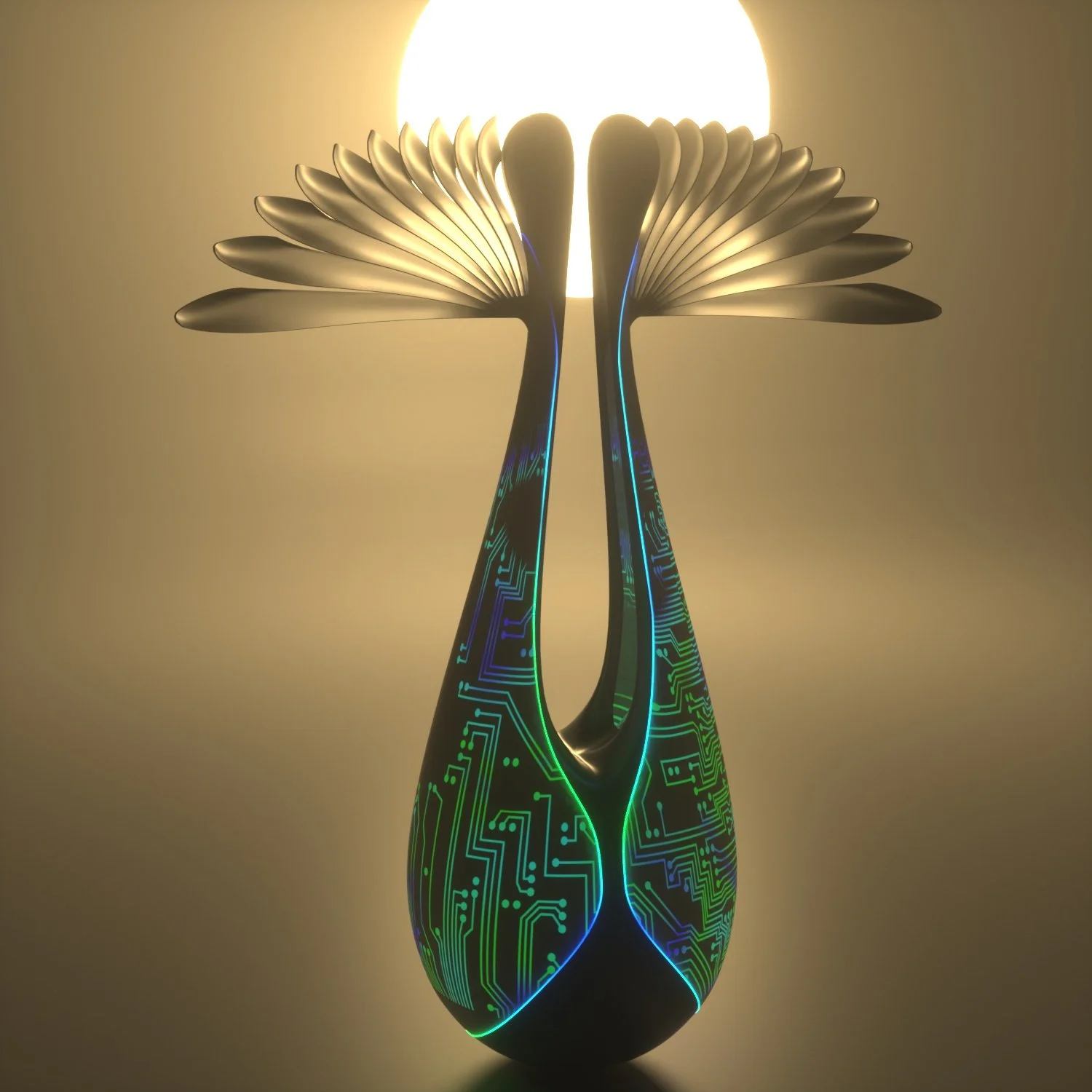
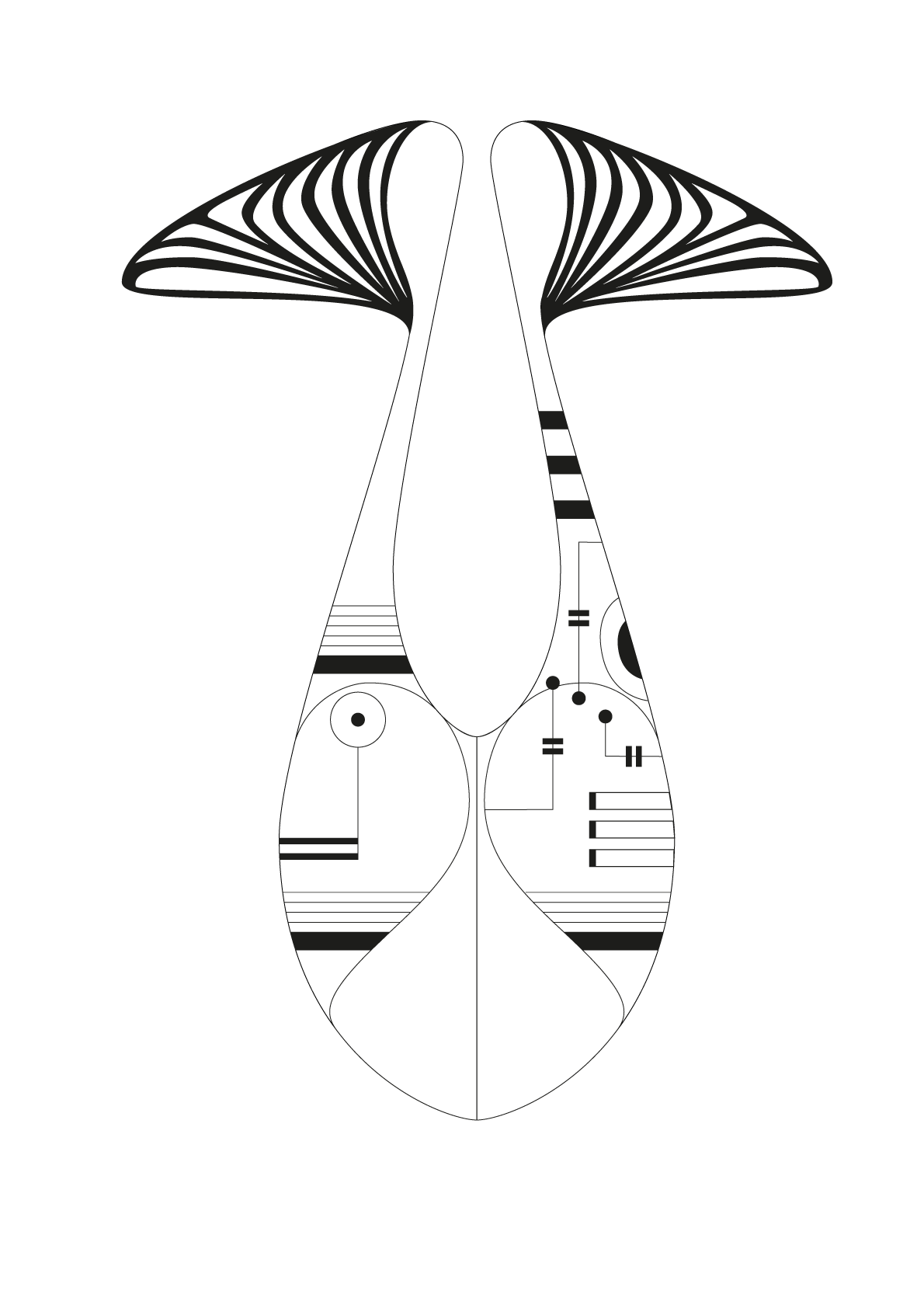
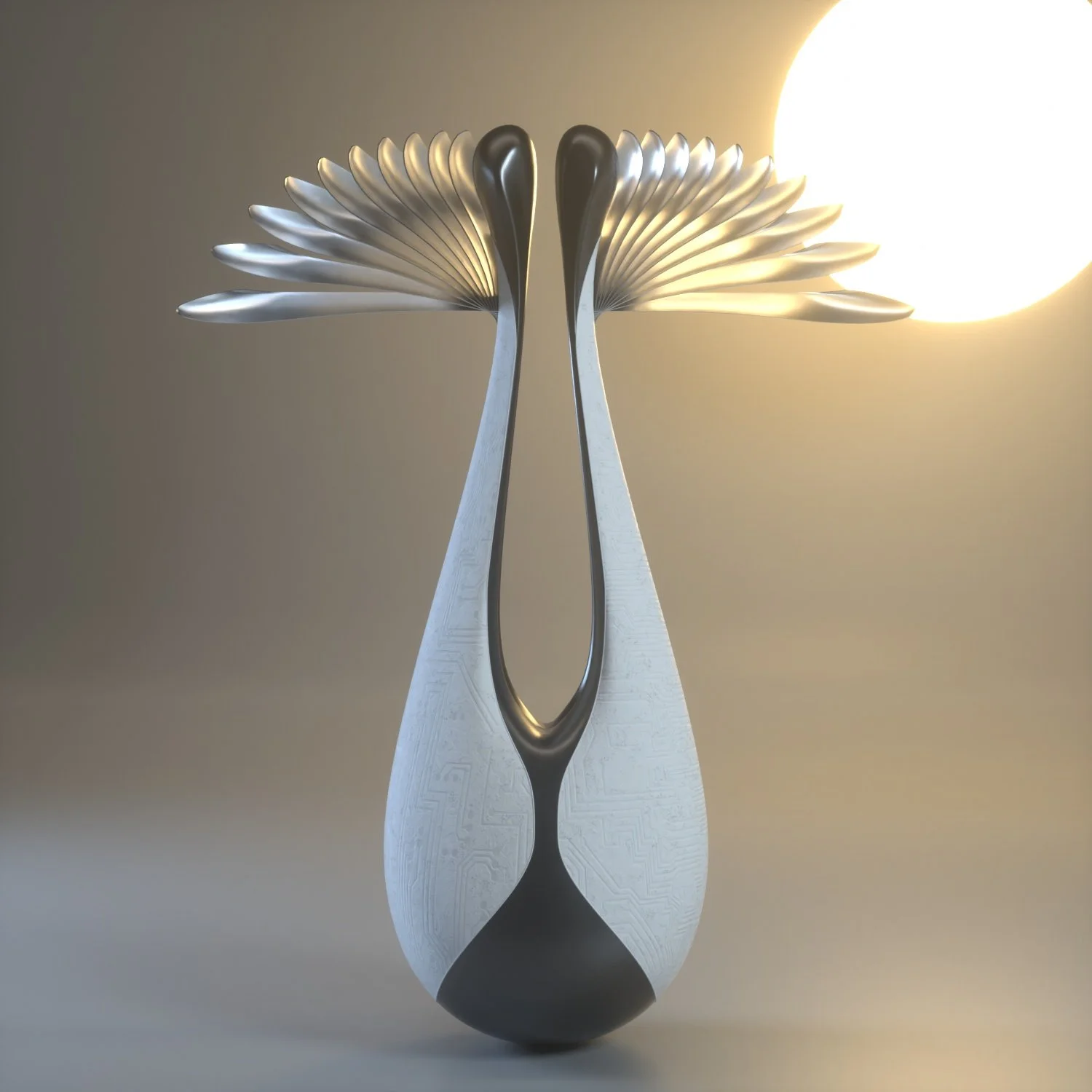
Techno-Bio Objects is a series of public art projects exploring a possible future relationship between nature and technology.
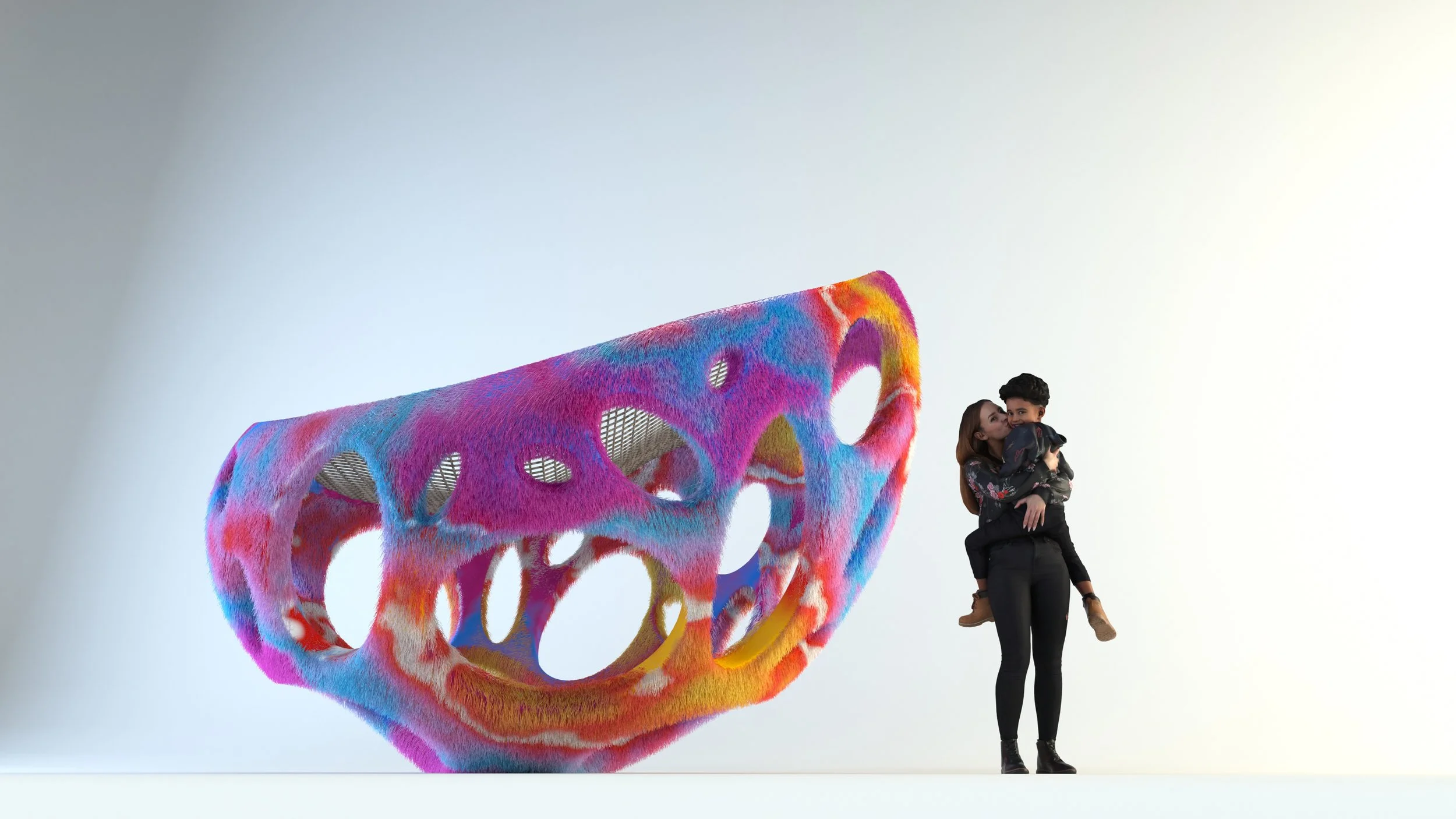
Each Techno-Bio Object is a hybrid of organic form and engineered structure. Externally, they resemble plants, flowers, seeds, or unknown living species. Internally, they are sophisticated technological systems capable of responding to their environment, changing their state, and interacting with the space around them.
One branch of the project is Rain Garden — a technological garden of the future composed of multiple kinetic flowers. Like living plants, they possess their own behavior and life cycle. Yet their existence is driven not by biology, but by sensors, mechanics, data, and programming. They may respond to darkness, rain, humidity, human presence, or changing light conditions.
In this project, technology does not disguise itself as nature, nor does it imitate it. It becomes its continuation — a new type of object, a new environment, a new way for people to interact with the city.
By Vasa (Vasilisa Lipatova) — V+V ArtLegacy
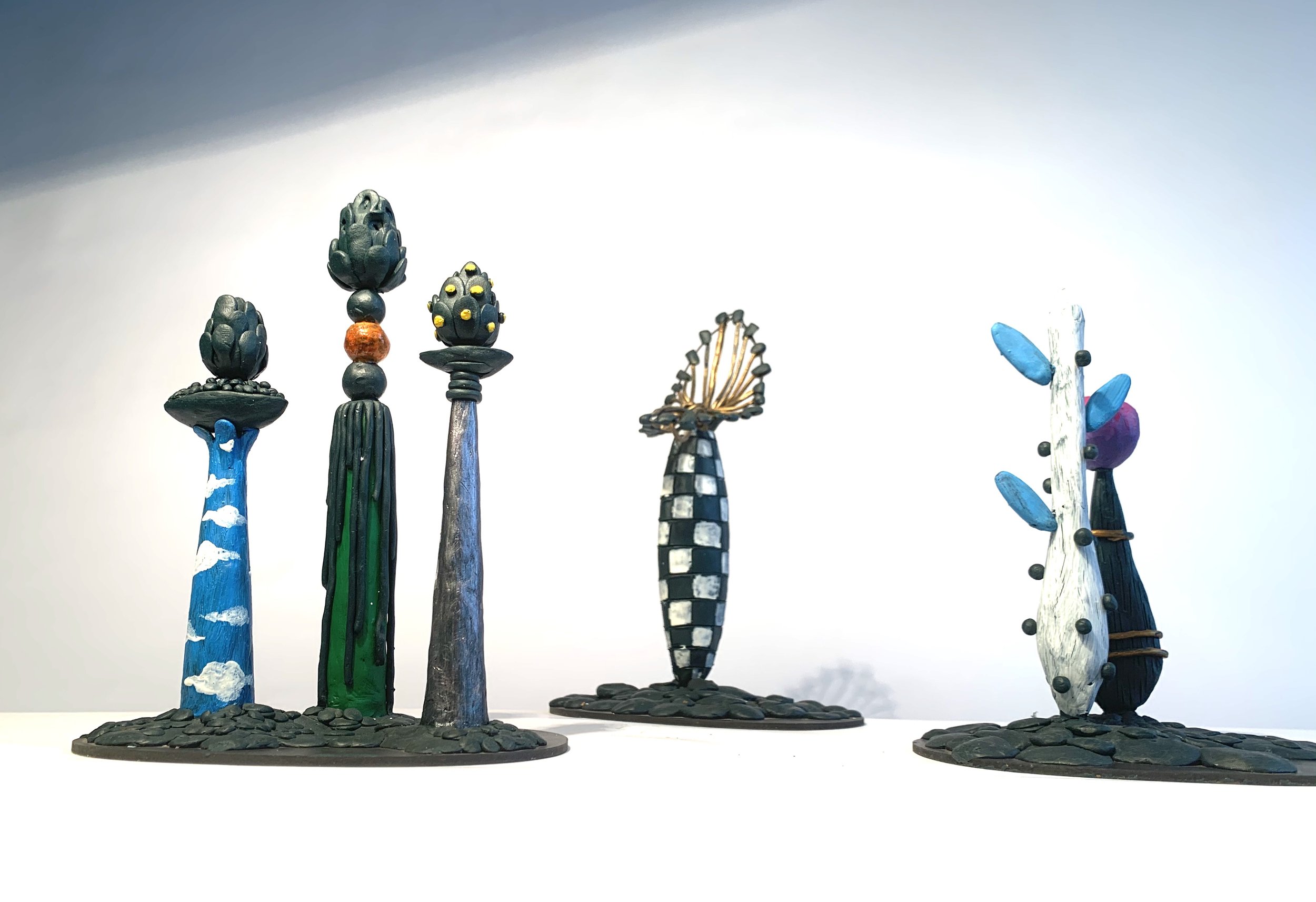
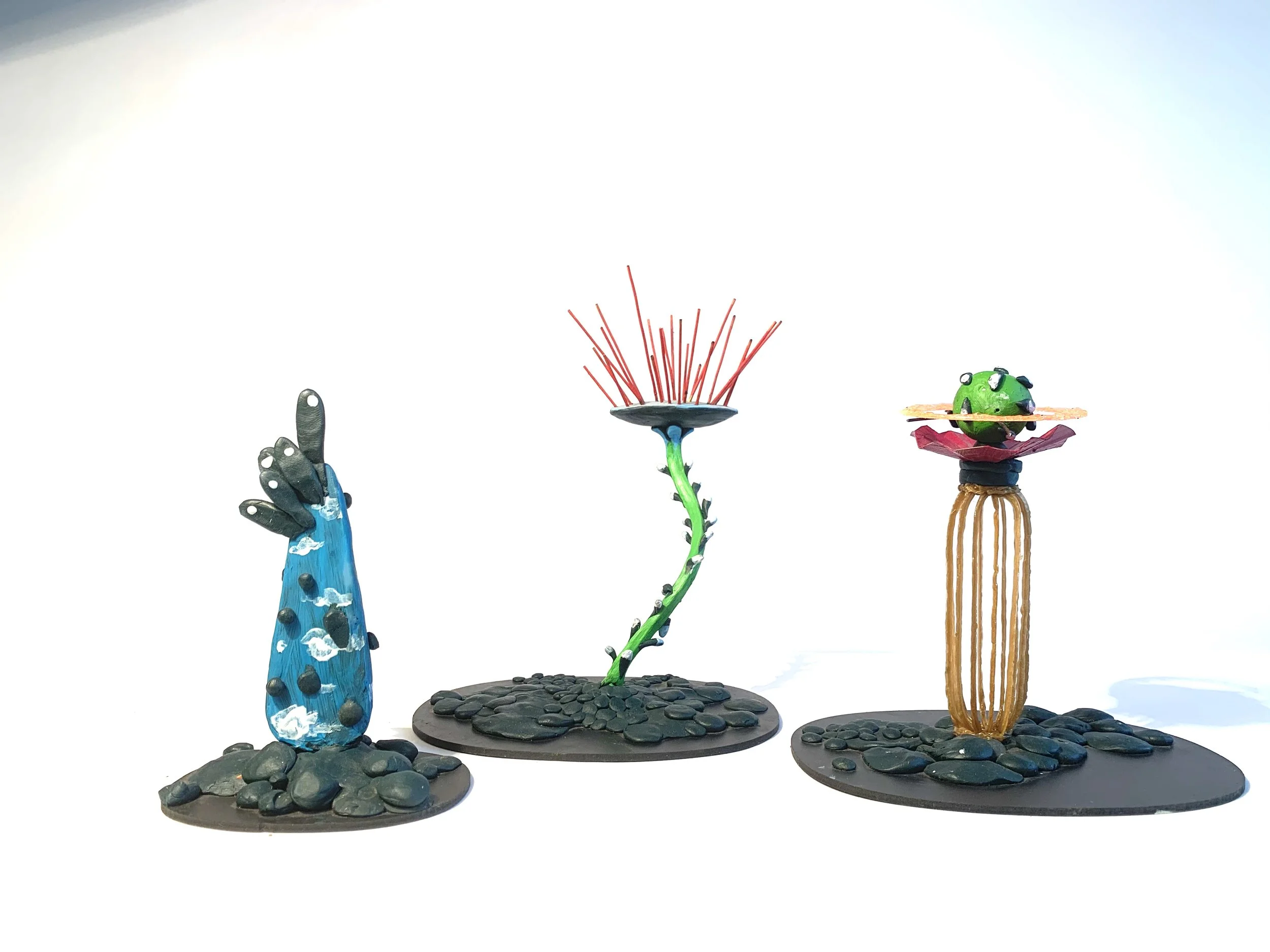
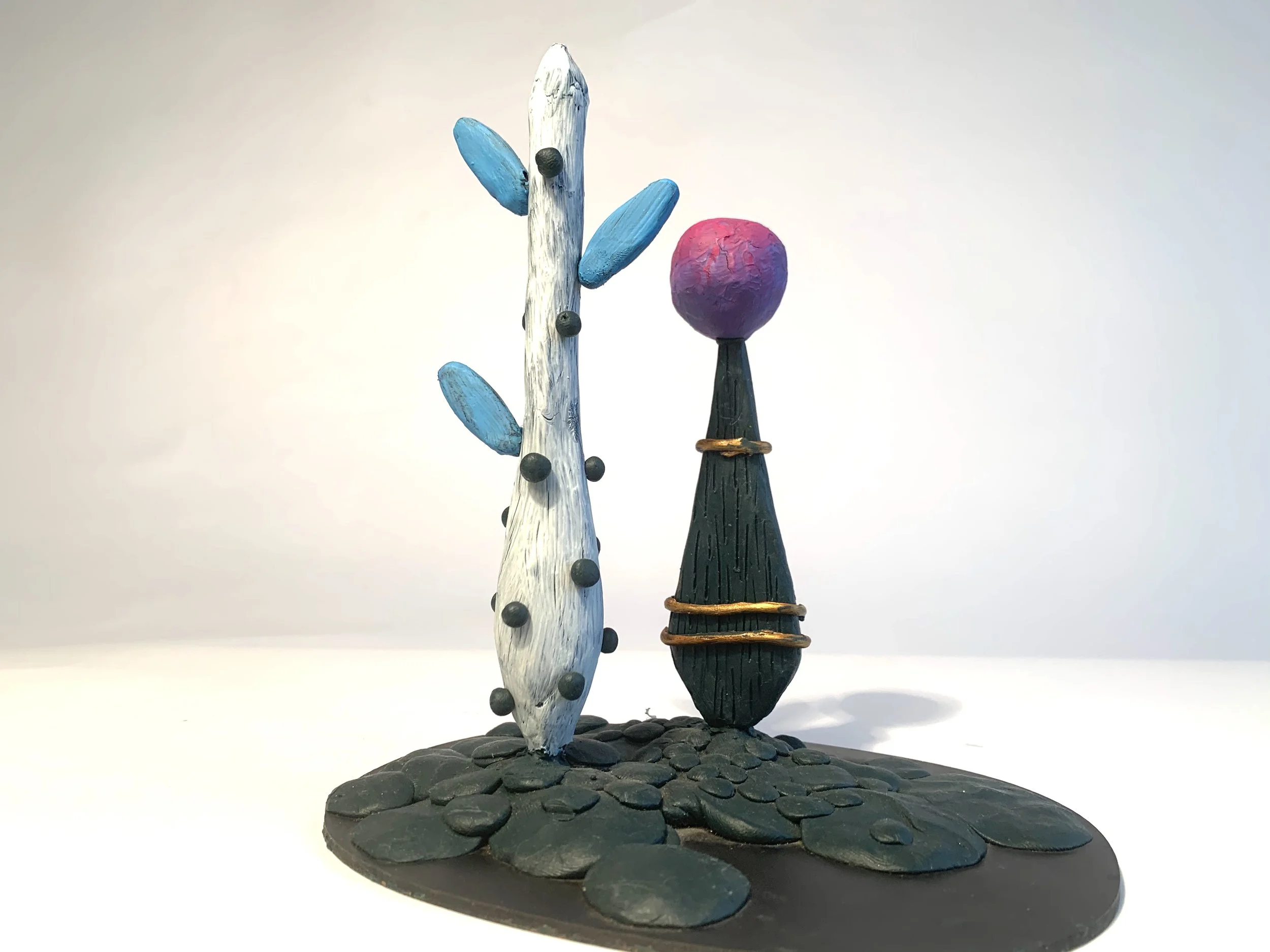
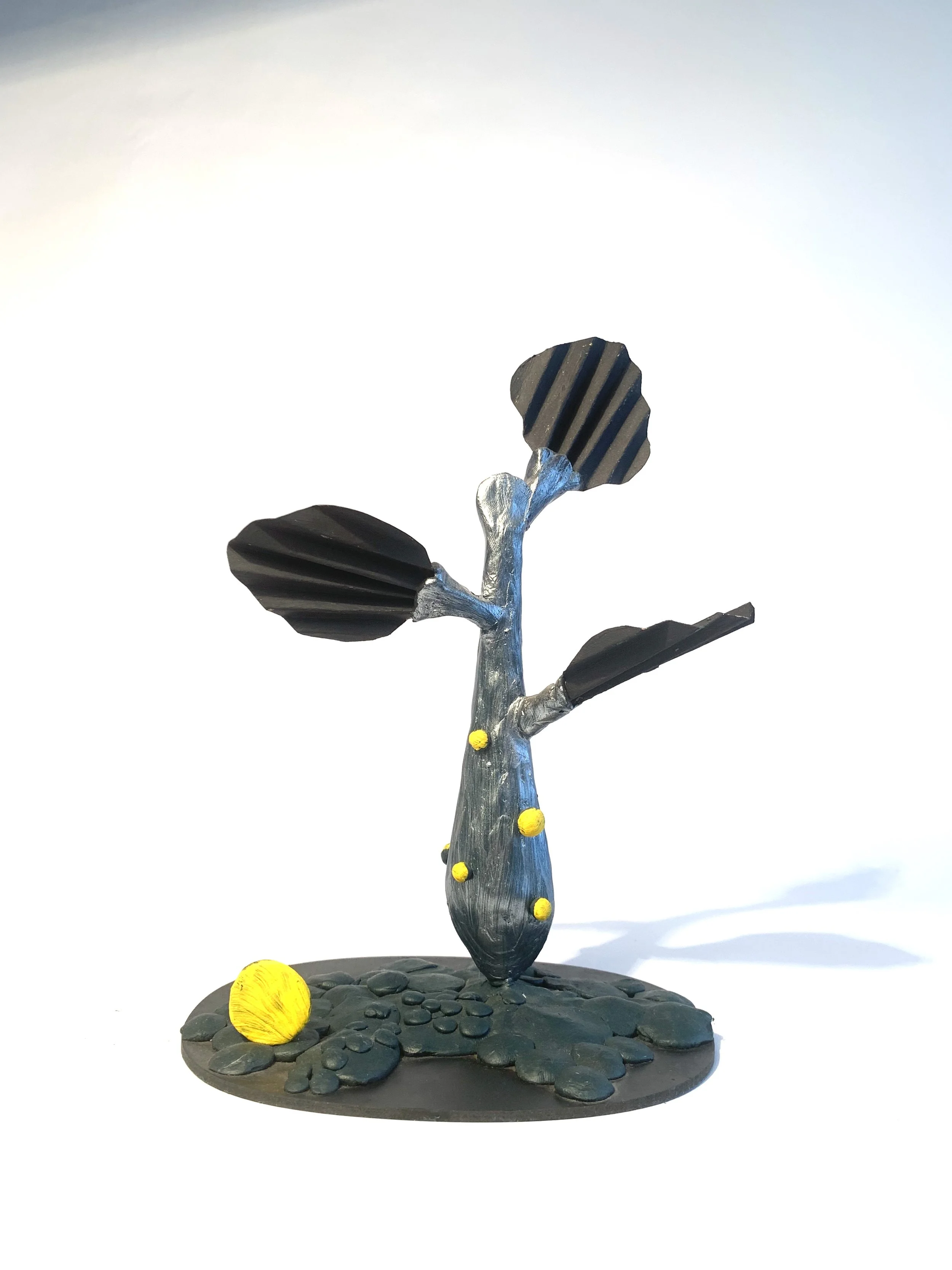
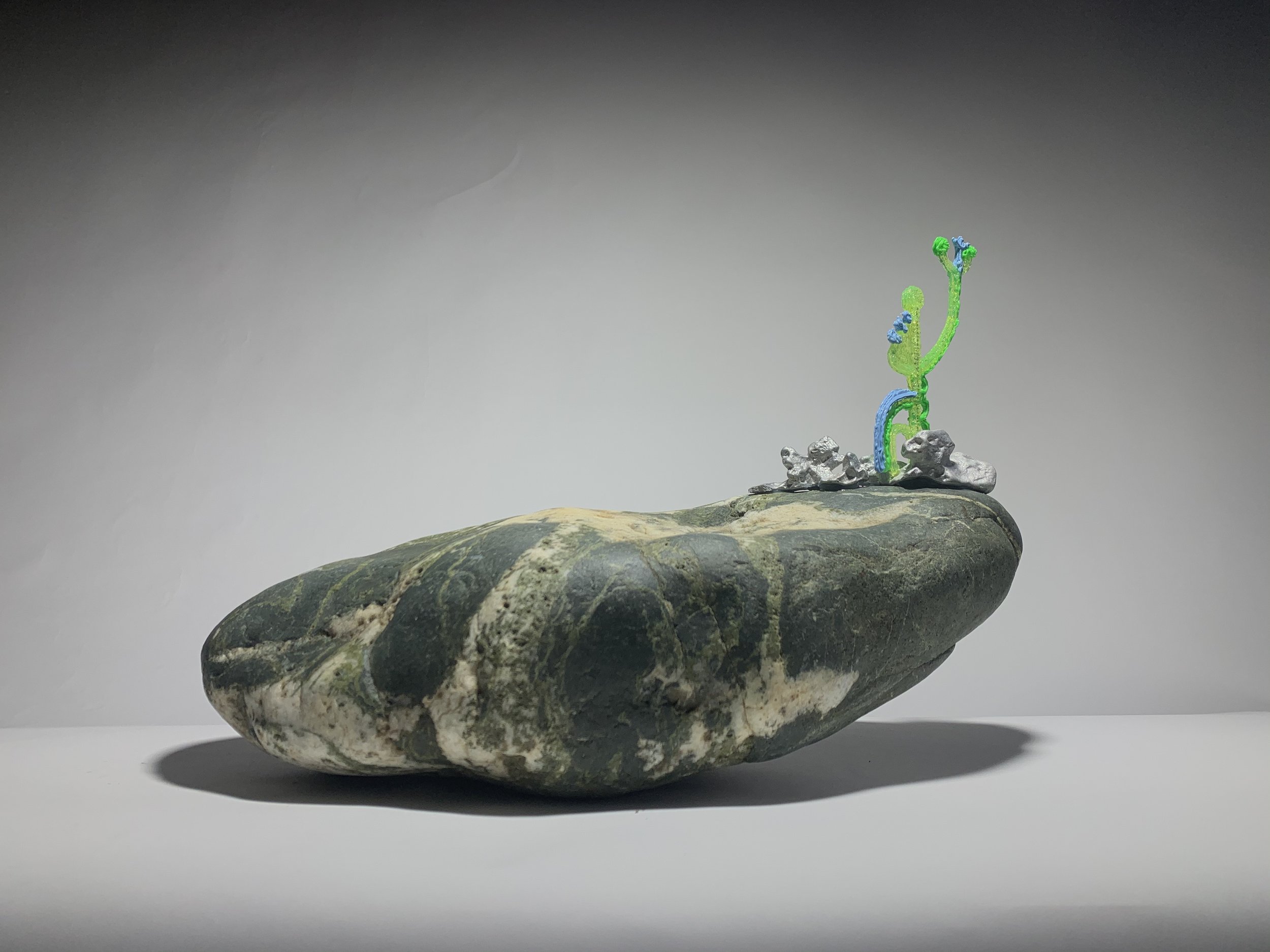
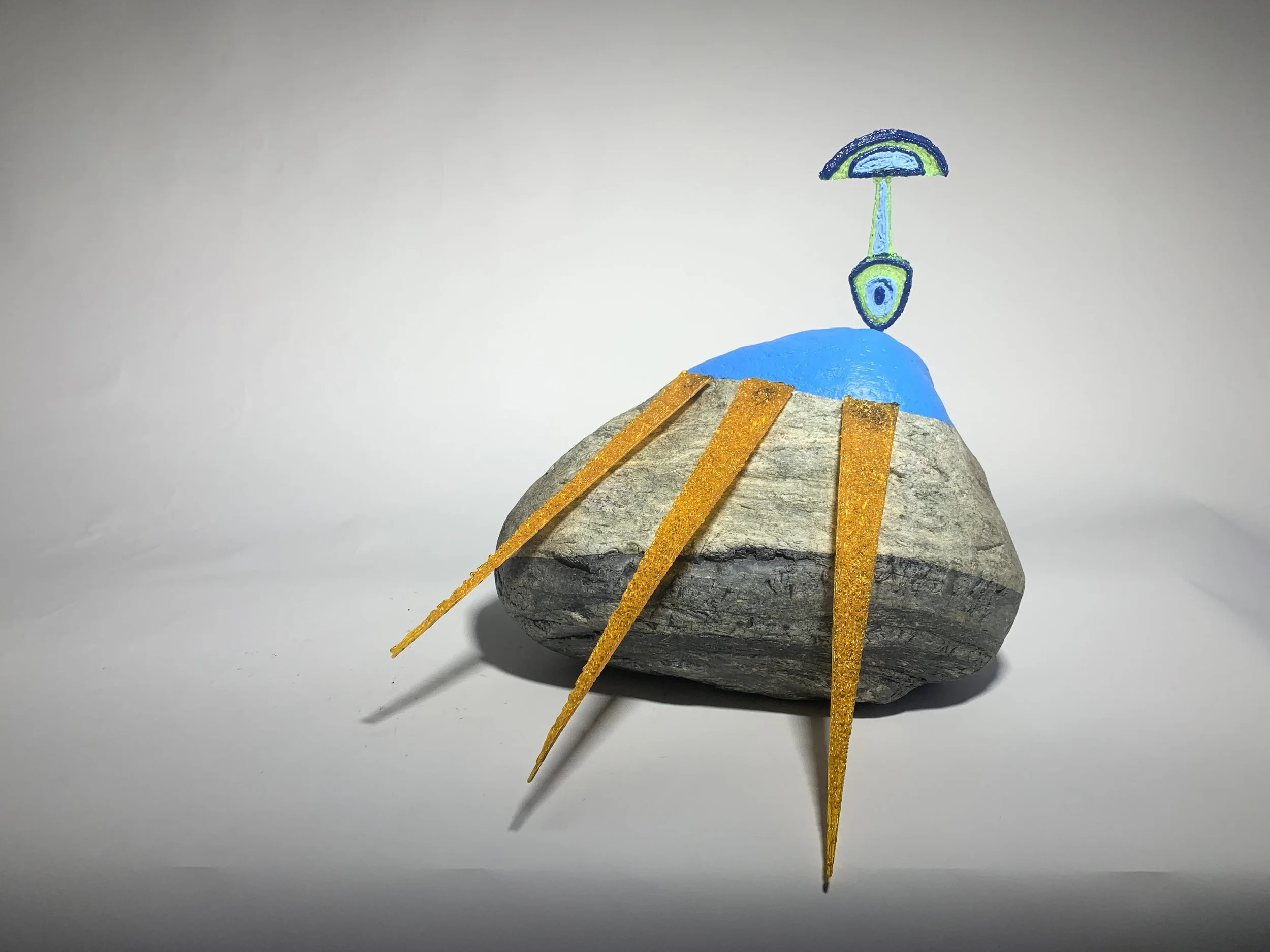
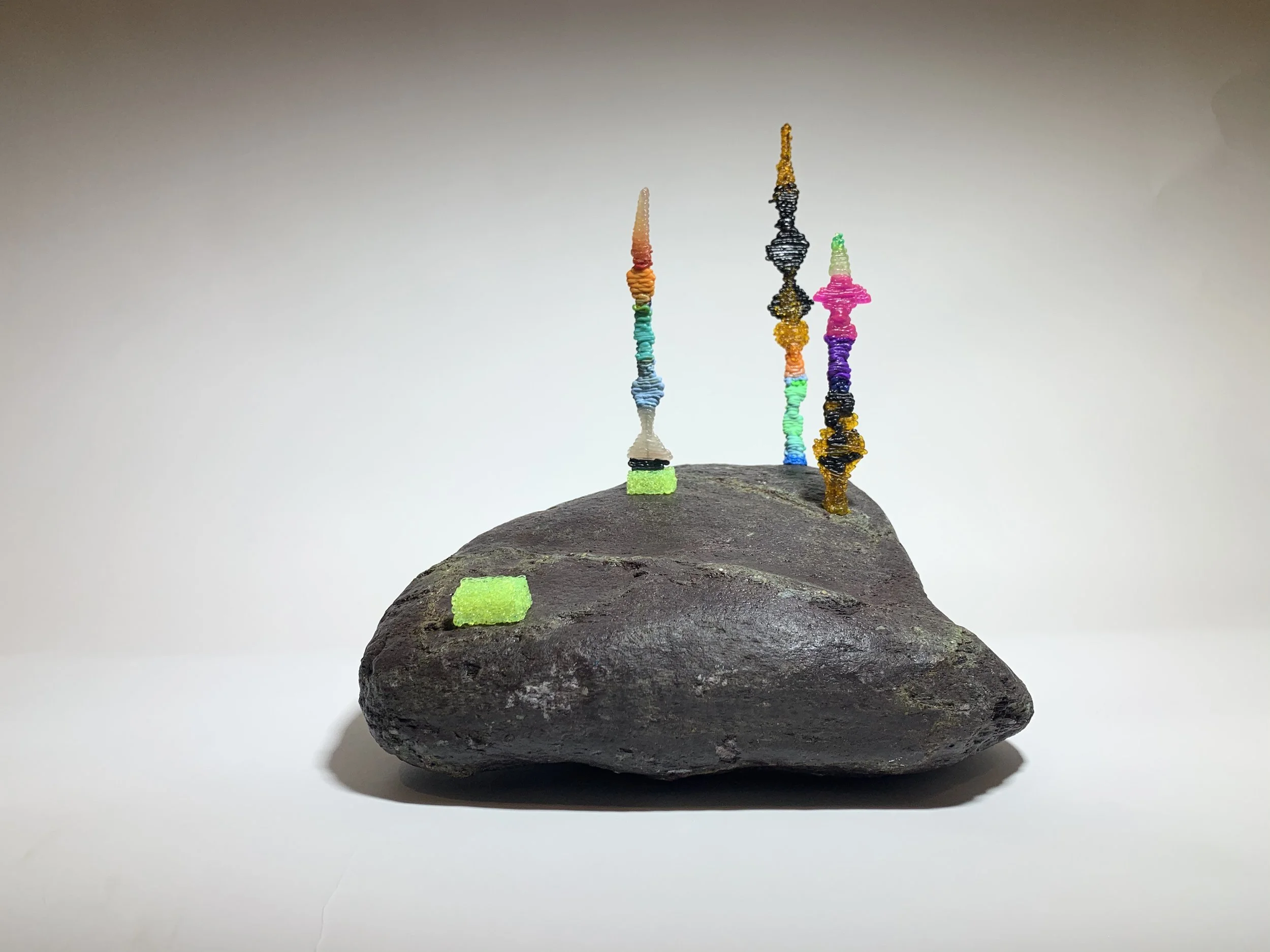
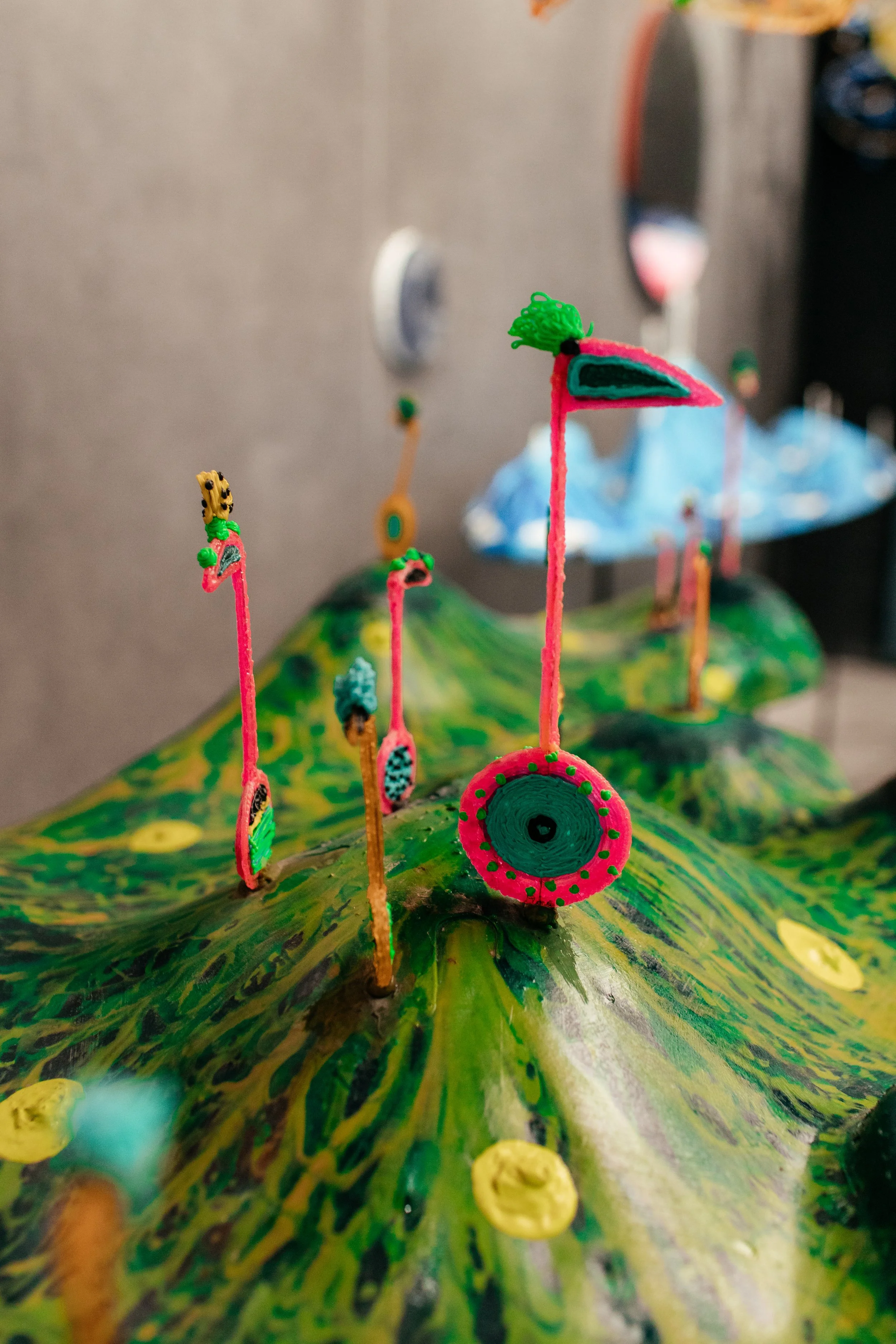
GABORIKI
Between Eternity and Imagination
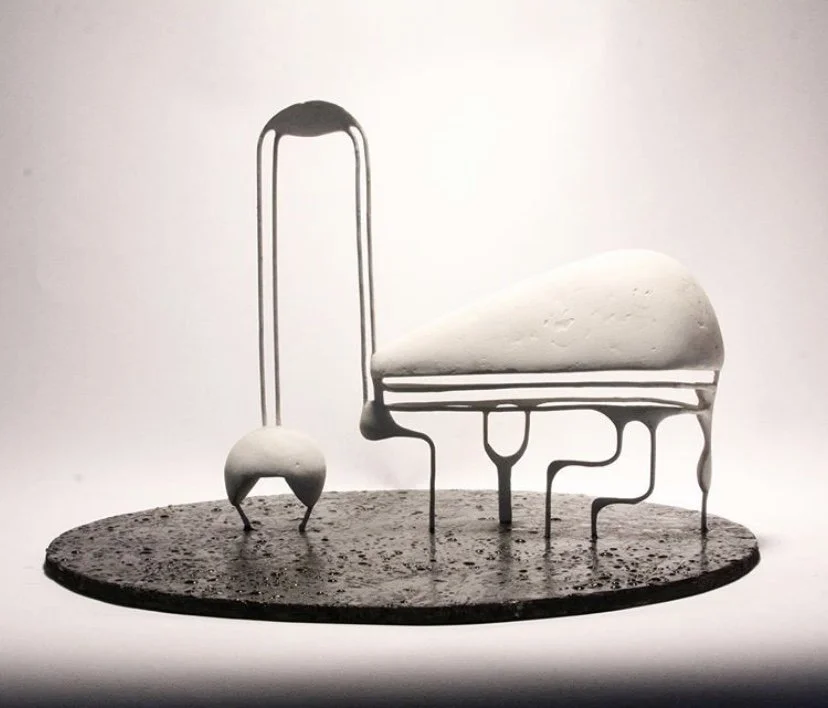
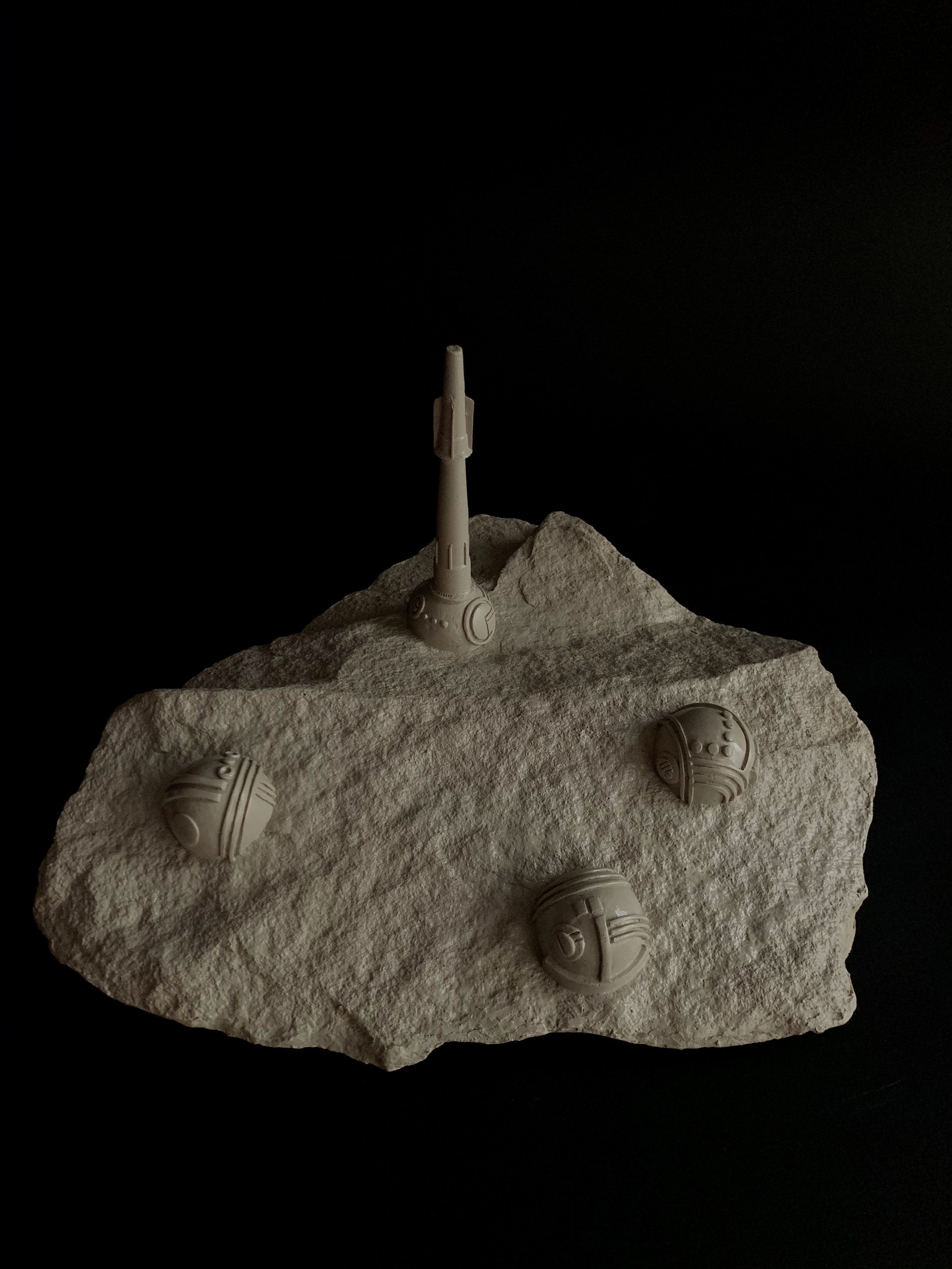
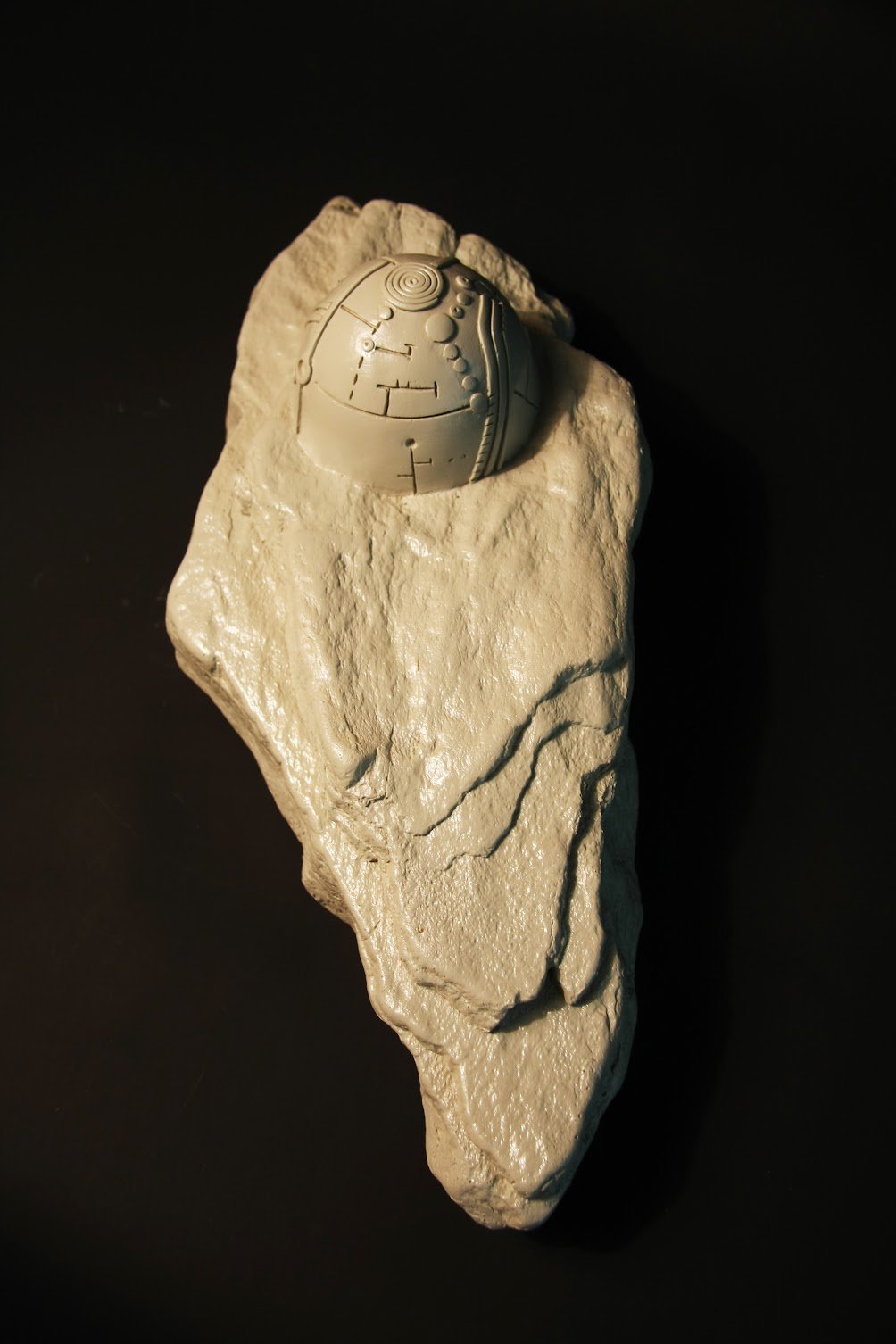
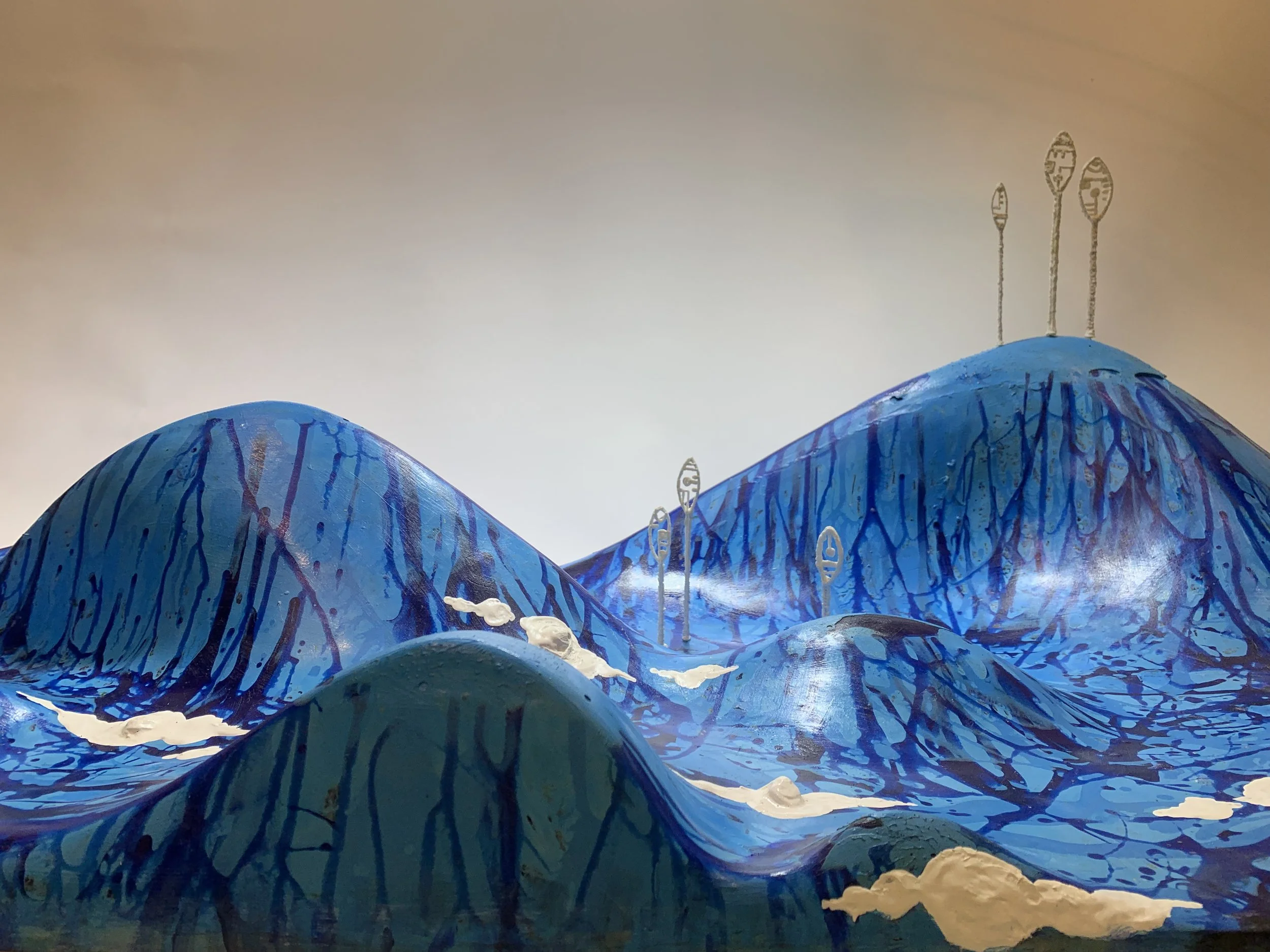
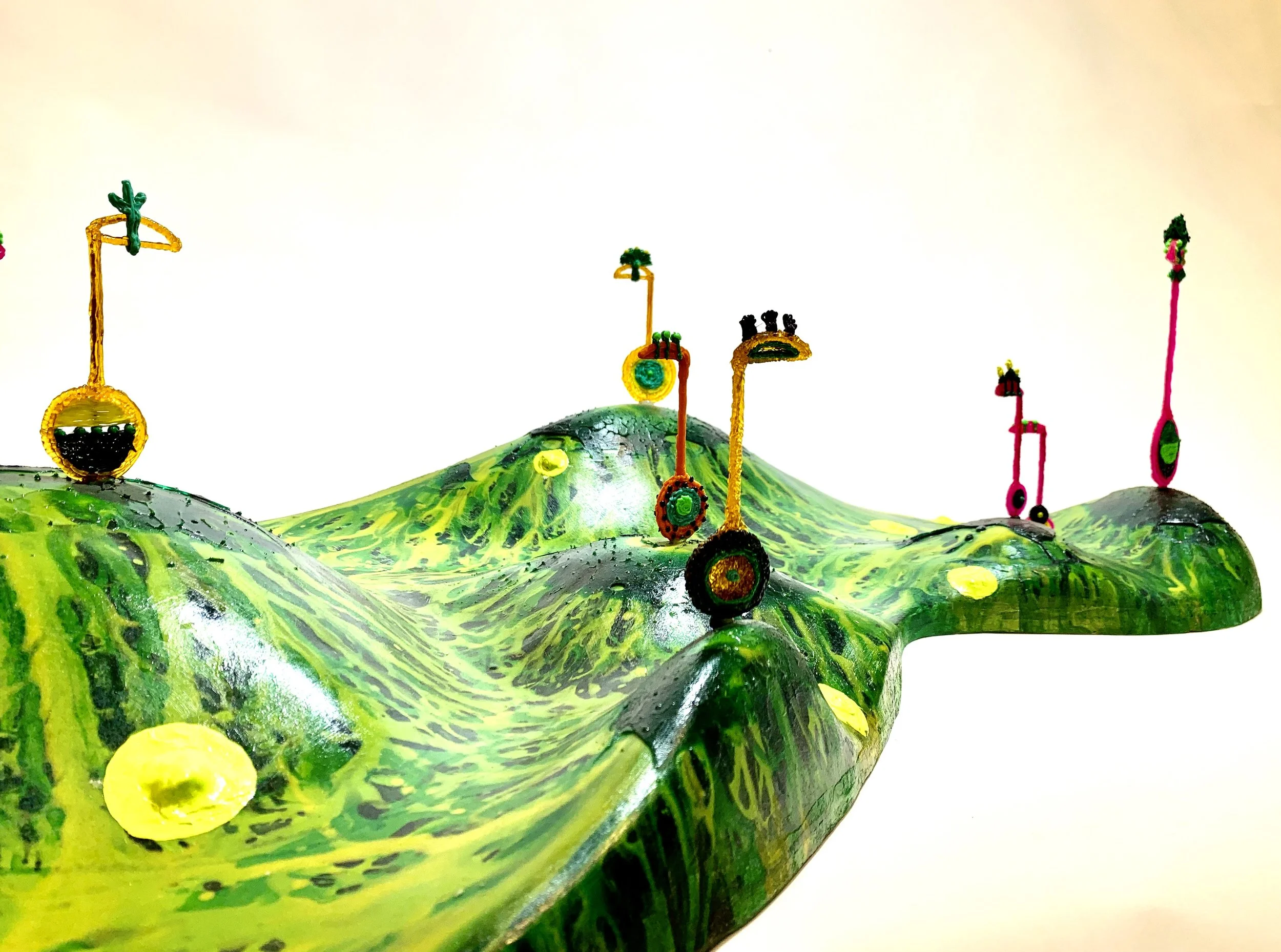
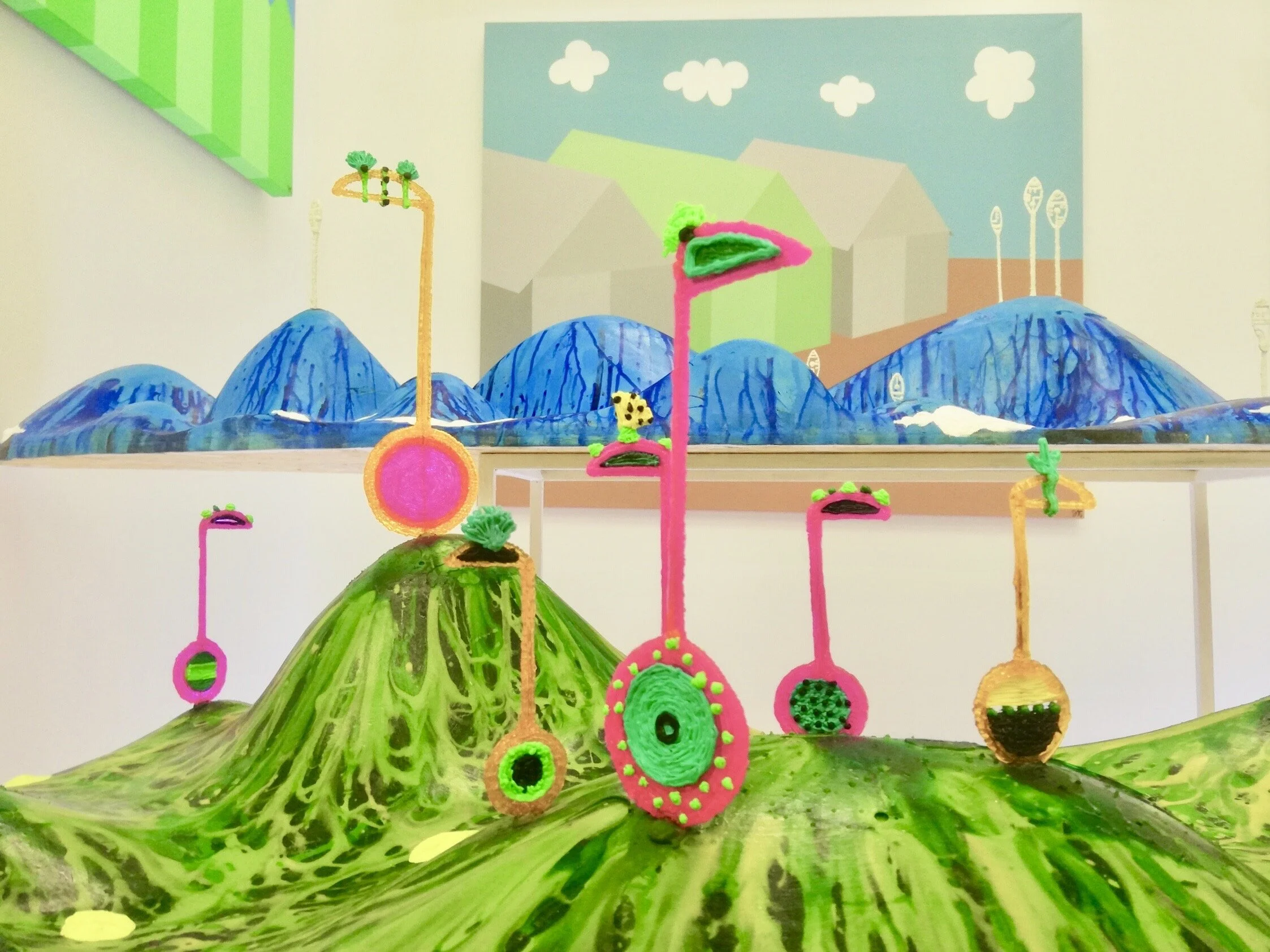
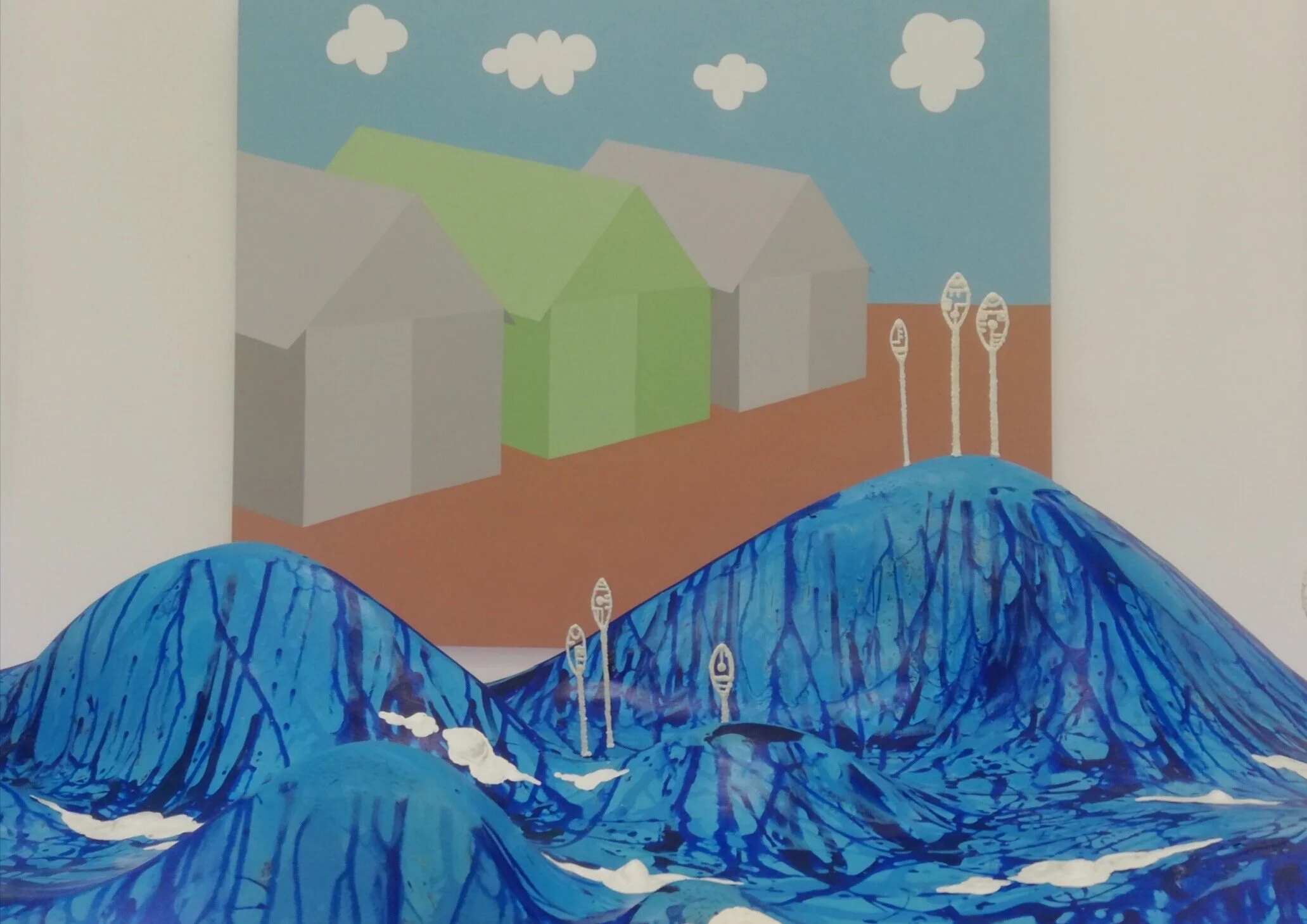
The Gaboriki series explores the meeting point of two opposing forces.
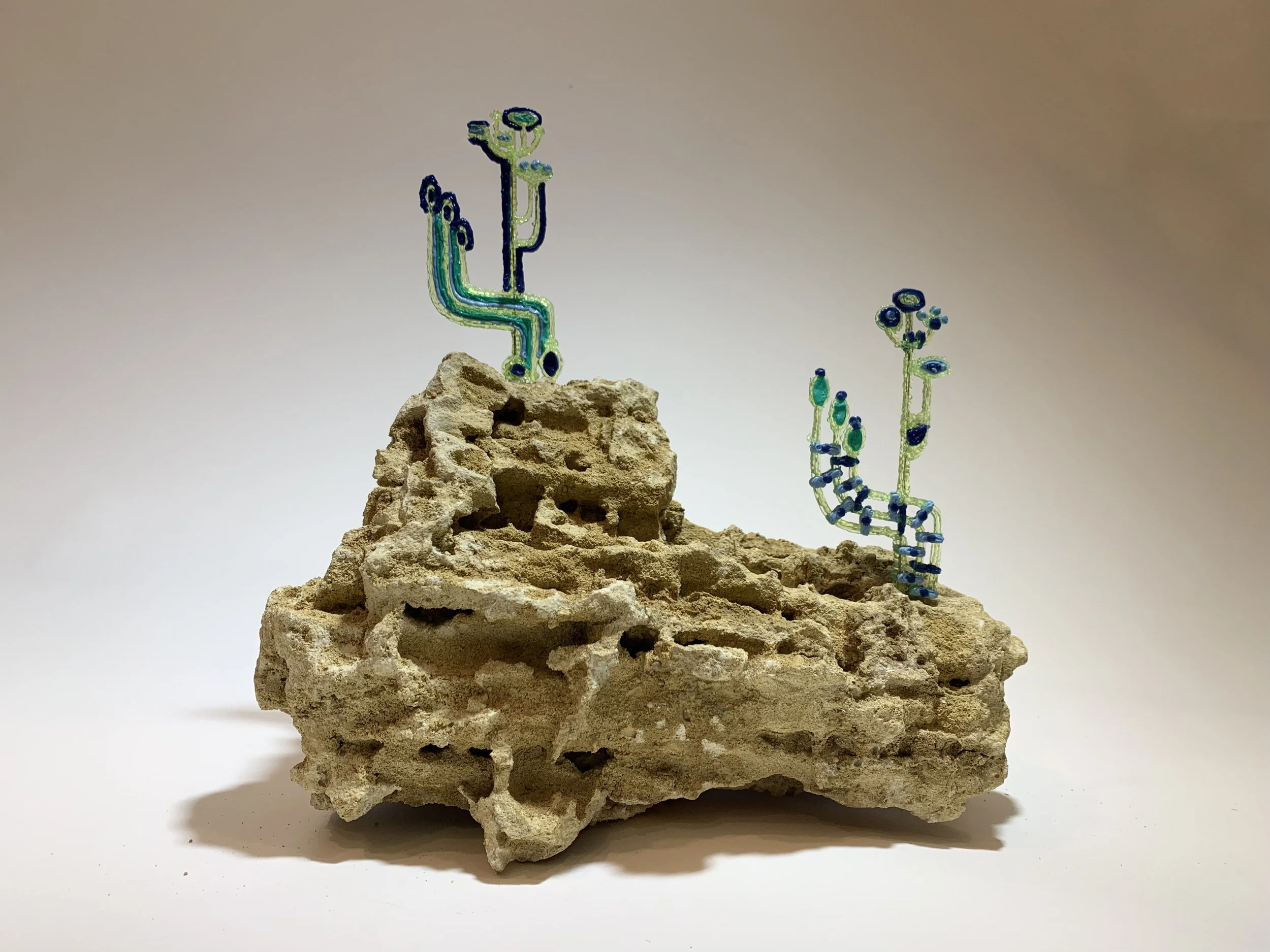
On one side stands stone, landscape, terrain, and the very materiality of the Earth — forms that existed long before humanity and will likely remain long after us. They represent time, memory, permanence, and the infinite continuity of nature.
On the other side are the Gaboriki: weightless, strange, and entirely imaginary beings born from human imagination. They belong neither to biology nor history nor physical reality.
It is precisely at the intersection of these two worlds that a new reality emerges. Ancient stone becomes the ground for unknown forms of life. Landscapes transform into territories for new civilizations. The eternal and material merges with the fragile, temporary, and imagined.
Each work in the series is a dialogue between the eternity of nature and the infinity of human imagination — between what existed before us and what can exist only because of humanity's ability to dream.
By Vasa (Vasilisa Lipatova) — V+V ArtLegacy
MAAASDAAM
Between Eternity and Imagination
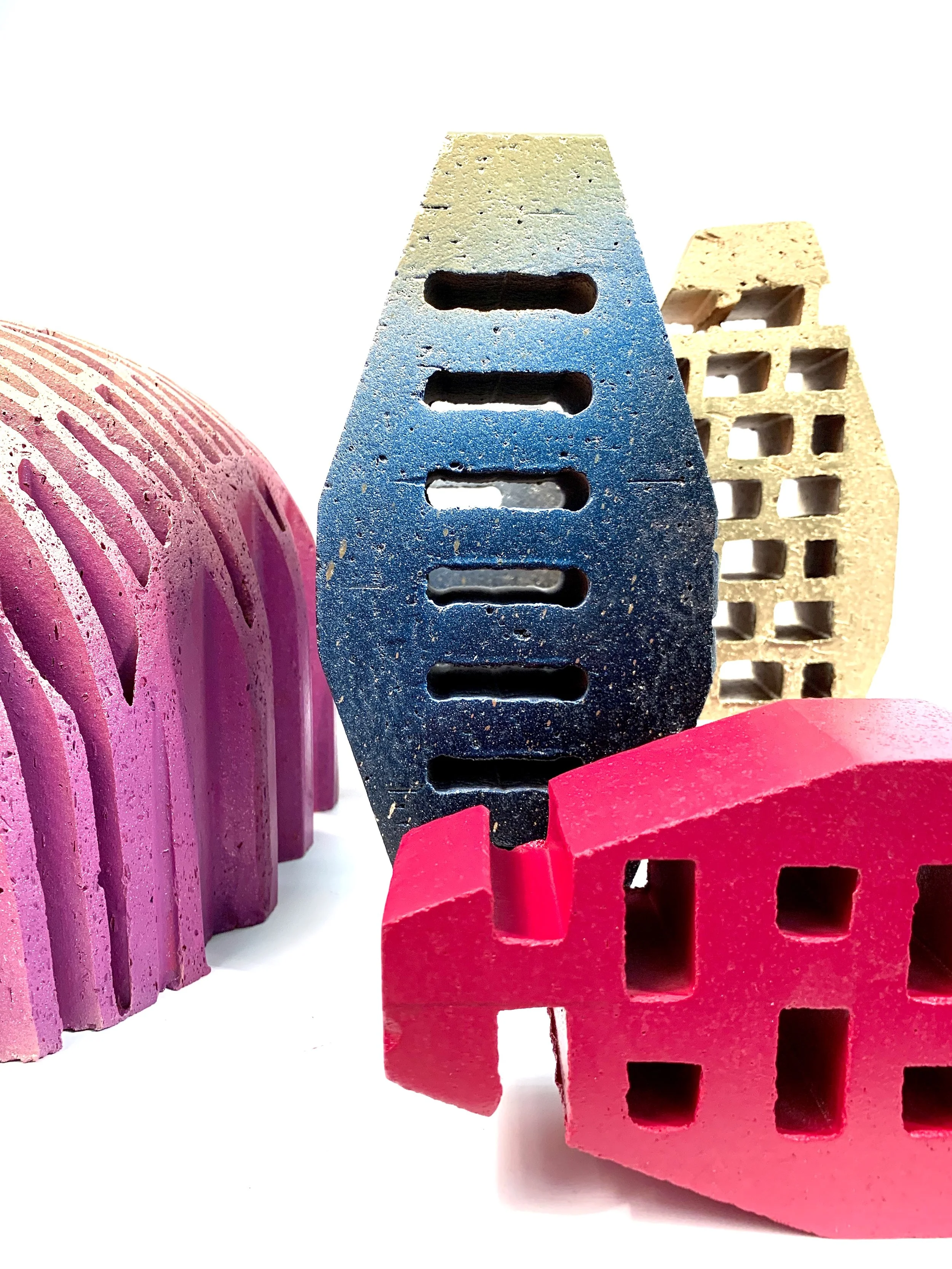
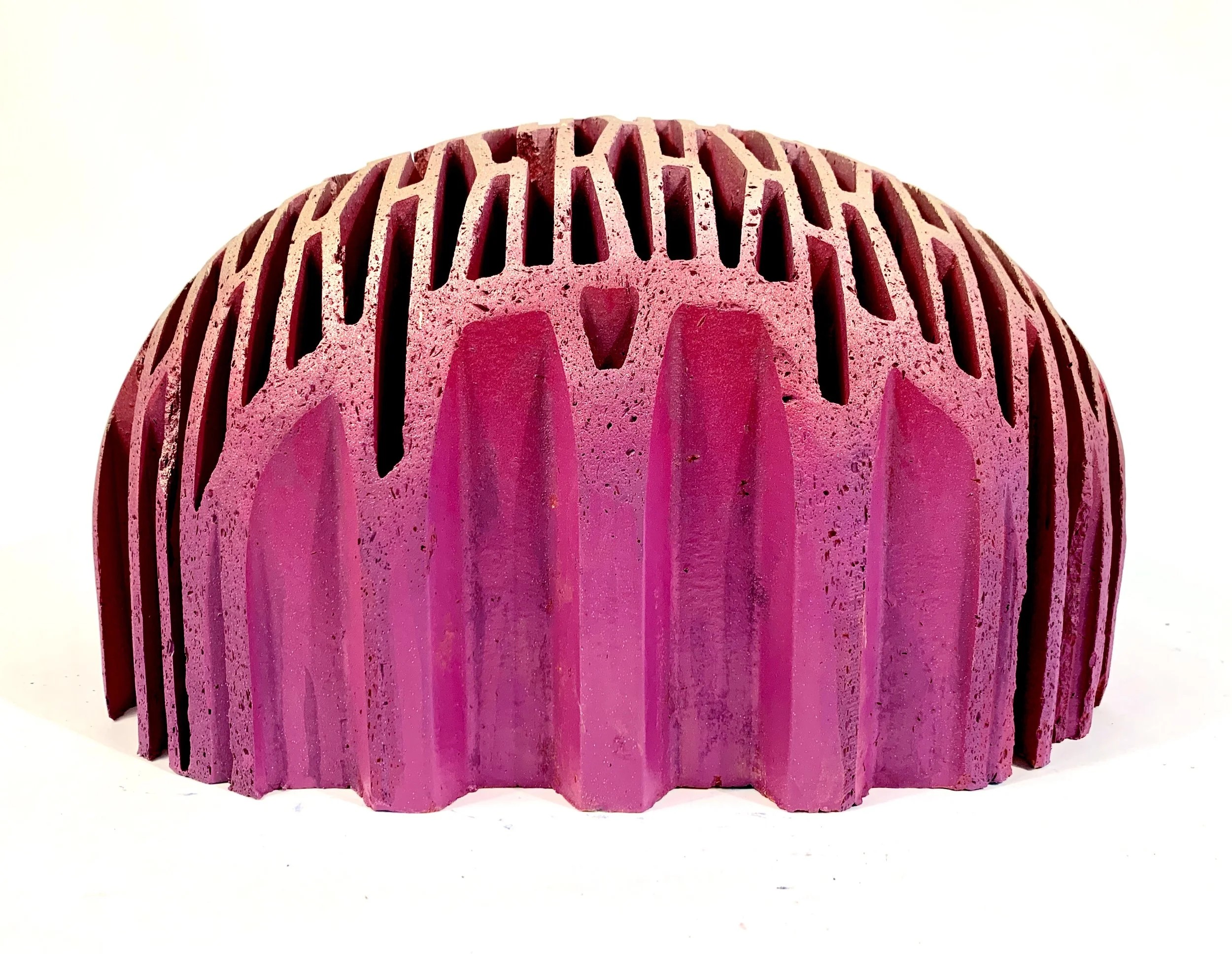
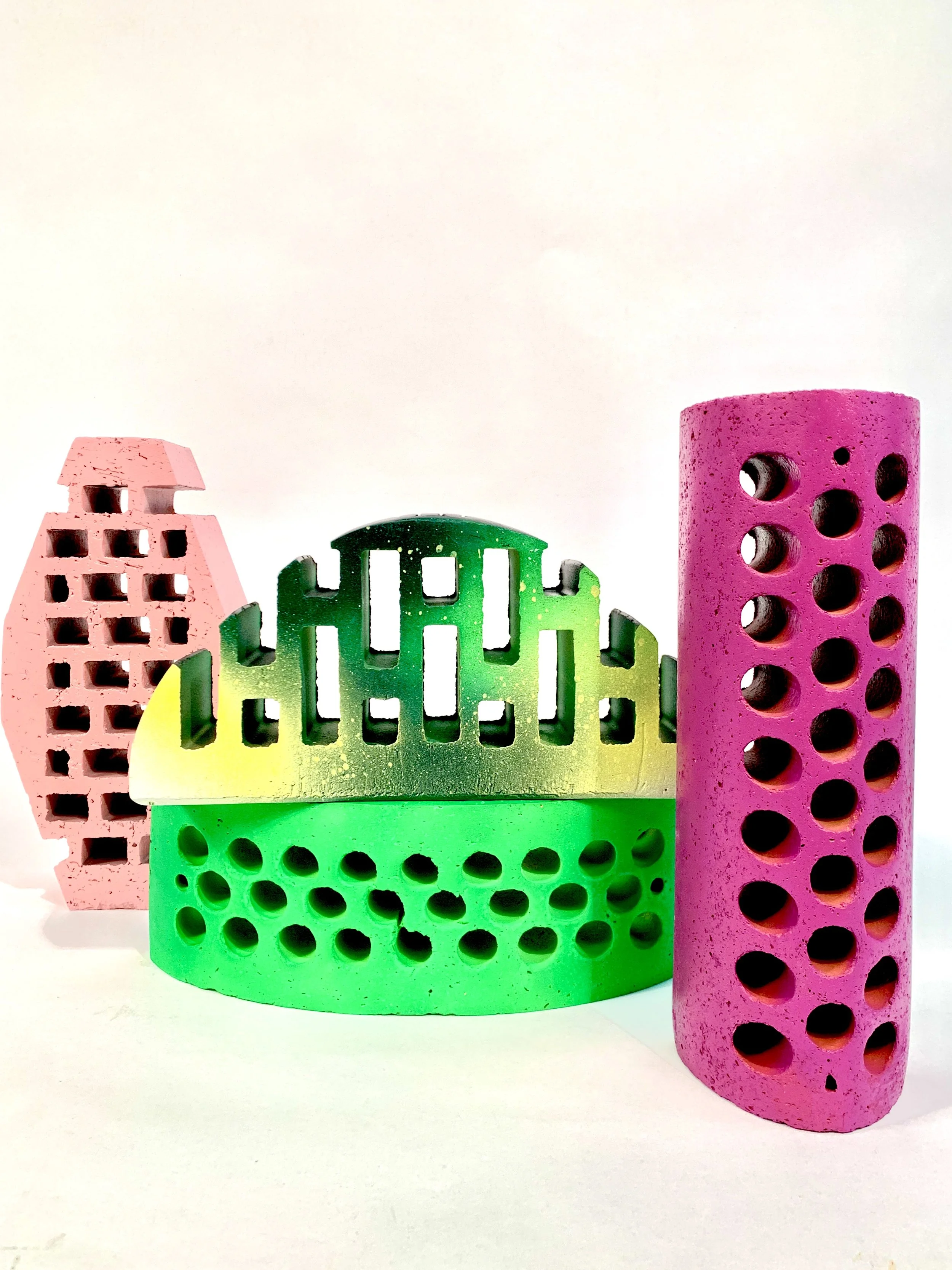
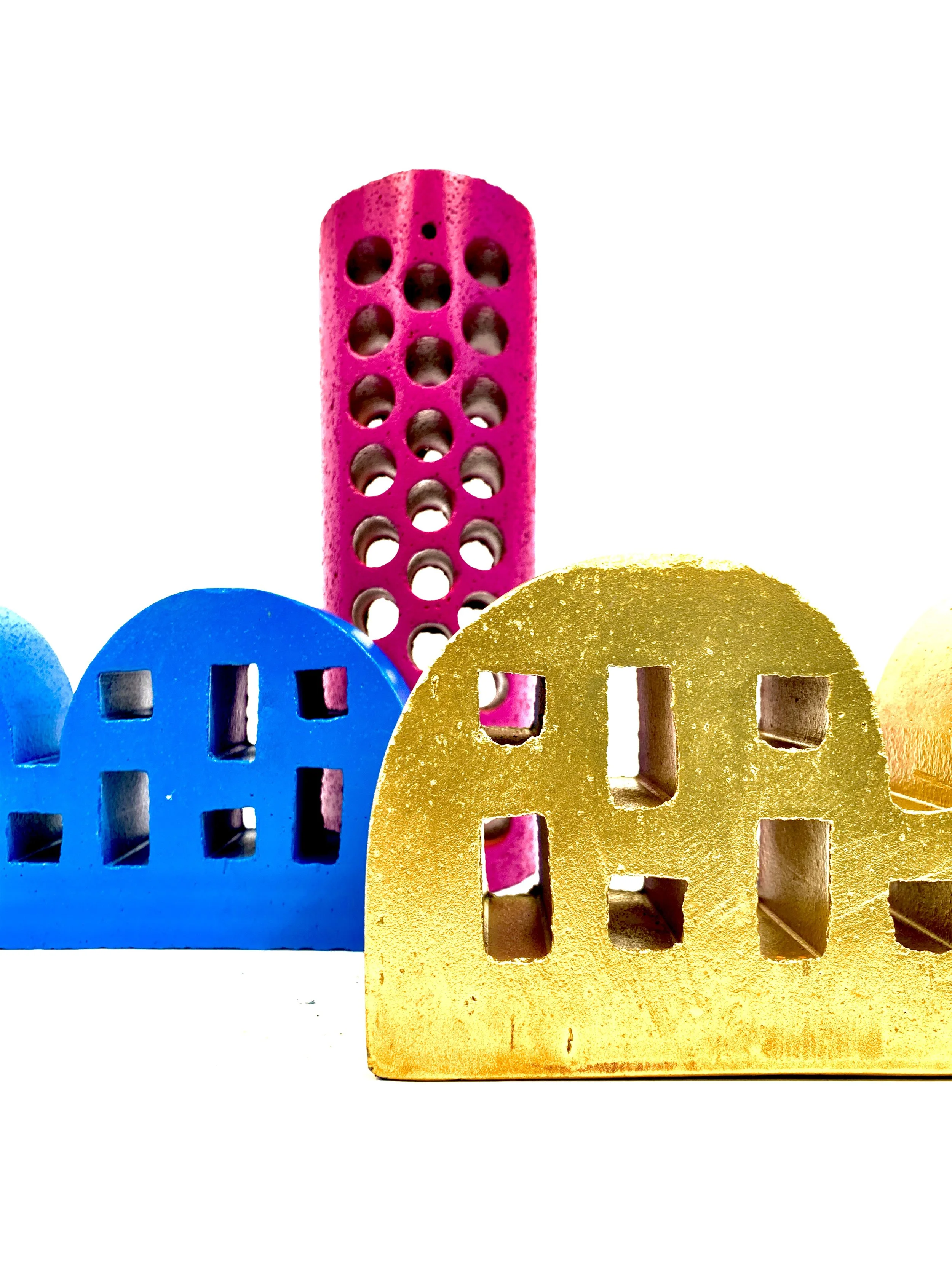
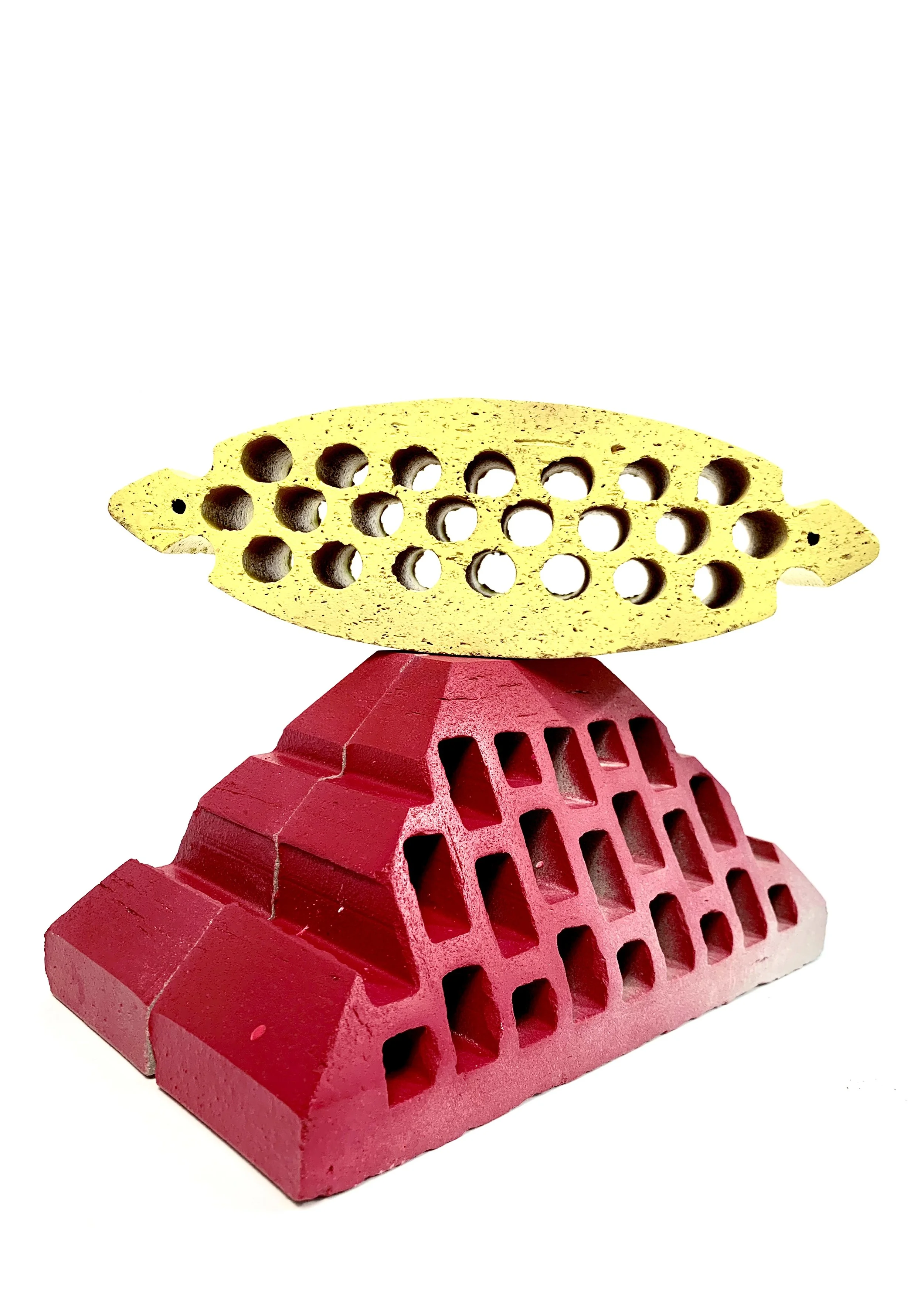
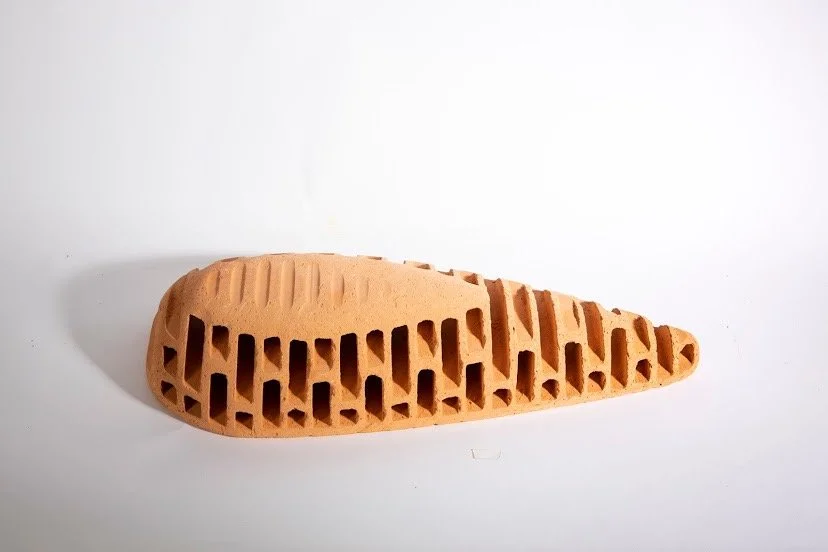
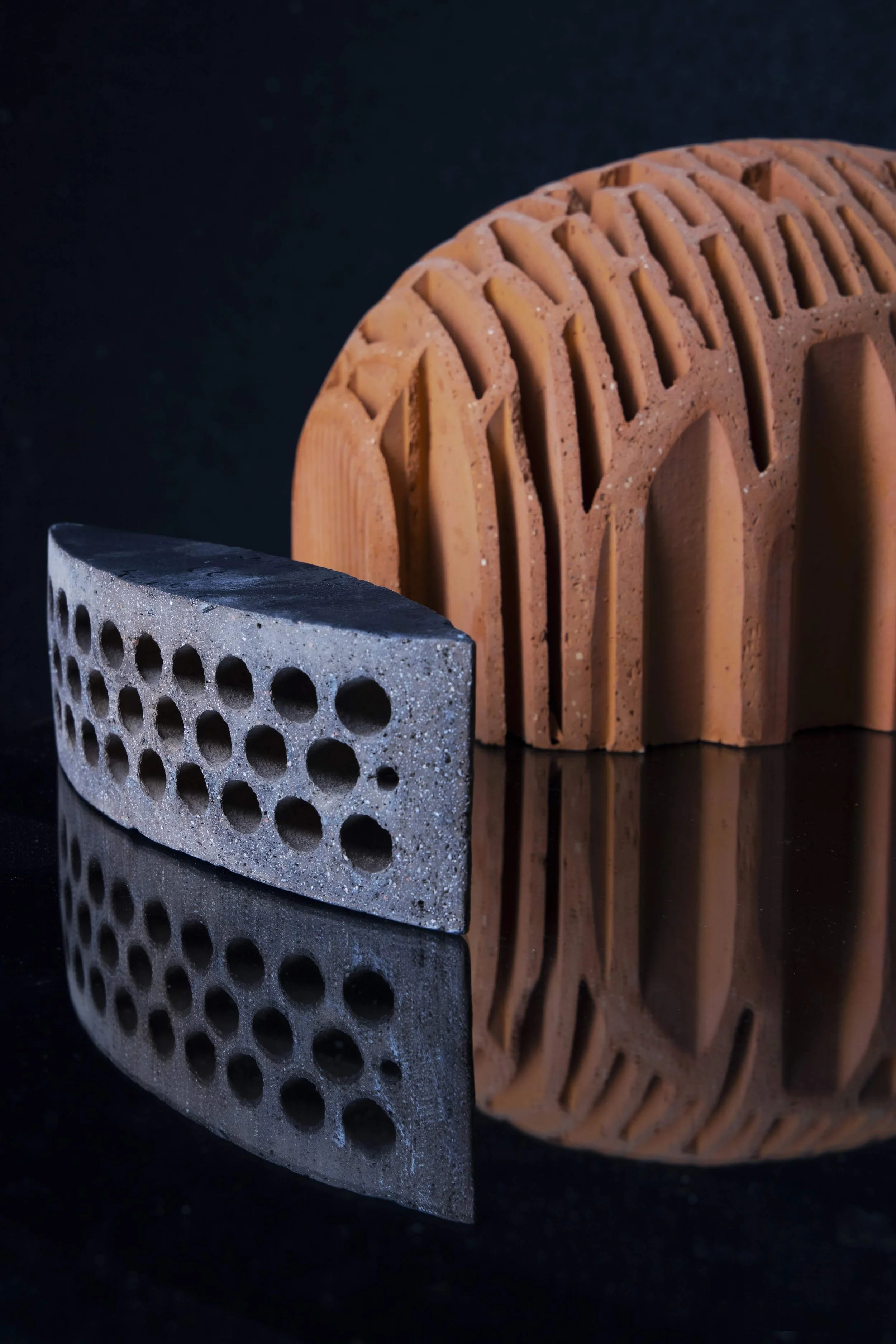
This series began with an observation of an ordinary brick — a material that already contains its own internal structure. It is this structure that gives it strength, stability, and purpose.
People are not so different. Each of us is born with a unique inner architecture — our own character, rhythm, perspective, and way of moving through the world. Yet we often spend years trying to reshape ourselves to fit expectations that were never truly ours.
This series suggests another path: not to break your structure, but to recognize it. What appears to be a limitation may actually be a source of strength. What makes us different is often what makes us essential.
Just as a brick contributes to architecture through the integrity of its internal design, a person realizes their potential not by abandoning their nature, but by understanding and using it. Do not break your structure. Learn how to build with it.
By Vasa (Vasilisa Lipatova) — V+V ArtLegacy
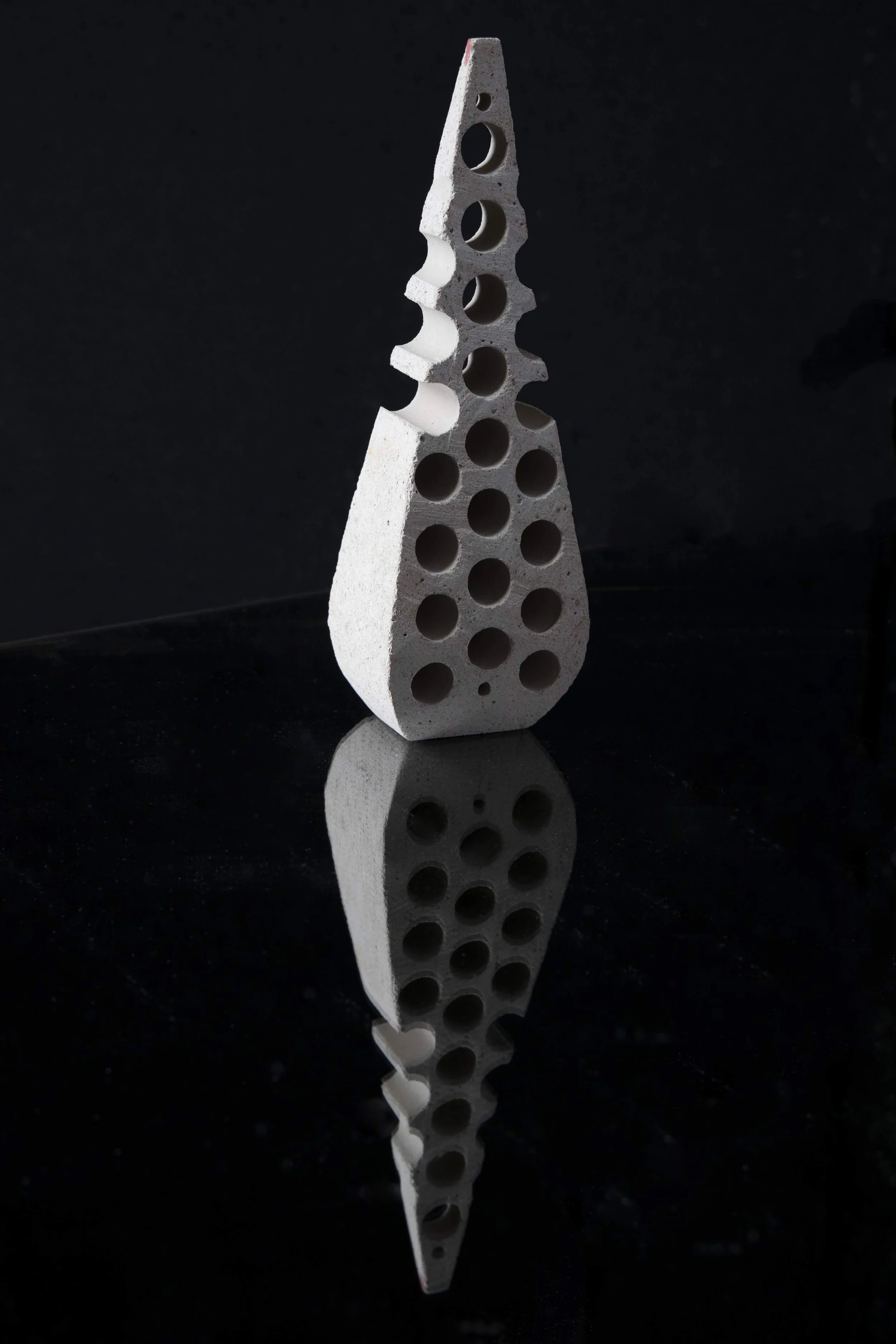
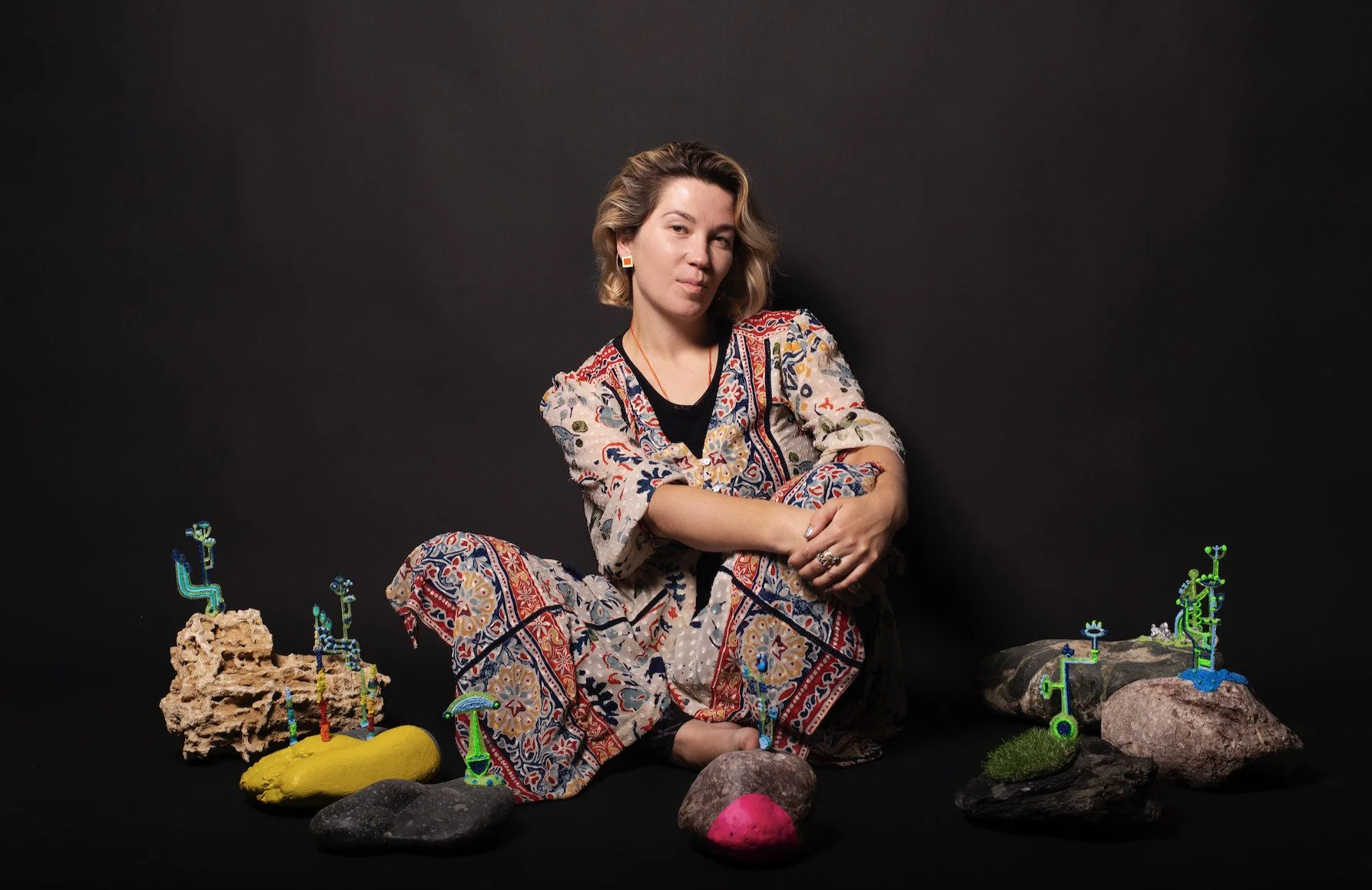
MONKEY JUNGLE
Monkey Jungle is a public art series exploring the possibility of a new urban nature.
What if the plants of the future did not grow in forests, but in cities? What if they were made from the very materials that define modern civilization — stone, concrete, glass, ceramic, metal?
In this series, familiar urban materials transform into a new kind of botanical world: fantastical plants that seem to have evolved naturally within the urban landscape itself. These objects do not imitate nature. They imagine its next chapter — born at the intersection of nature, architecture, art, and human imagination.
Each form references plant life while remaining an independent sculptural presence. The sculptures function simultaneously as artworks, landmarks, gathering points, and elements of urban identity. They help a space develop a distinct image that cannot simply be transferred elsewhere without losing its meaning.
Because great public art does not decorate a place. It becomes part of its character. It gives a place its own voice.
By Vasa (Vasilisa Lipatova) — V+V ArtLegacy